Vegetarian Meal Prep Ideas for a Week of Easy Meals
Vegetarian meal prep ideas are the answer to the most common weeknight problem: it is six o’clock, you are hungry, and the thought of cooking from scratch feels like too much. When a fridge is already stocked with cooked grains, roasted vegetables, a pot of soup, and a few ready sauces, dinner becomes a matter of assembling rather than cooking, and the whole week gets easier. Meal prep is not about spending your entire Sunday in the kitchen or eating the same thing five days in a row. It is about cooking a few versatile building blocks once, storing them well, and mixing them into different meals so that eating well takes less effort, not more. This guide walks through vegetarian meal prep ideas for breakfast, lunch, and dinner, a simple one-week plan, and the storage and reheating basics that keep everything fresh and safe.
Why Vegetarian Meal Prep Ideas Work So Well
Vegetarian food lends itself to meal prep better than most kinds of cooking, for a simple reason: the ingredients keep well. Cooked grains, beans, lentils, roasted vegetables, and hearty soups all hold their texture and flavour for days in the fridge, and many of them taste better the next day, once the flavours have had time to settle. A pot of lentil soup, a tray of roasted sweet potatoes, and a batch of rice can be turned into half a dozen different meals with almost no extra work: a grain bowl on Monday, a wrap on Tuesday, a soup with bread on Wednesday, and so on. Meal prep also makes vegetarian eating easier to keep balanced, because when you plan the week in advance you can make sure every meal has a protein, a grain, and plenty of vegetables, rather than leaving it to chance at the end of a long day. There is a money benefit too: buying lentils, beans, rice, and seasonal vegetables in larger amounts and cooking them at home costs far less than buying ready meals or ordering in, which is another reason vegetarian meal prep ideas are worth the small effort on Sunday. And for anyone who is new to vegetarian cooking, prep is a gentle way in, because it lets you learn a handful of reliable recipes and repeat them with confidence until they become second nature.
The Building Blocks of a Balanced Vegetarian Prep
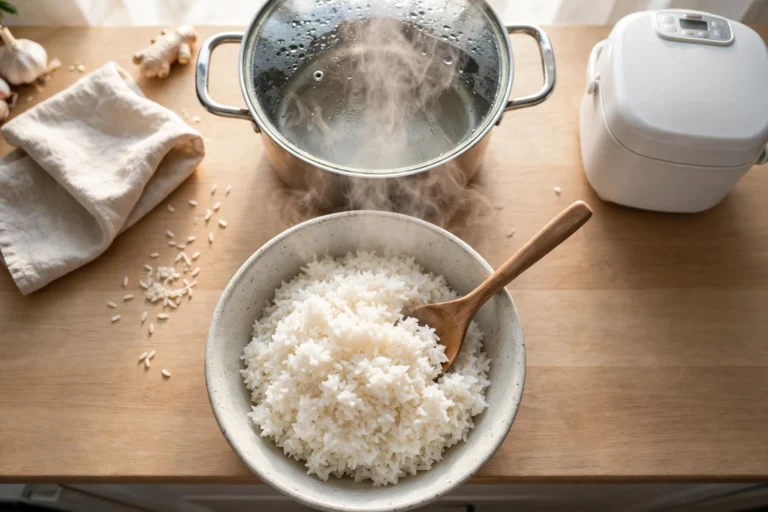
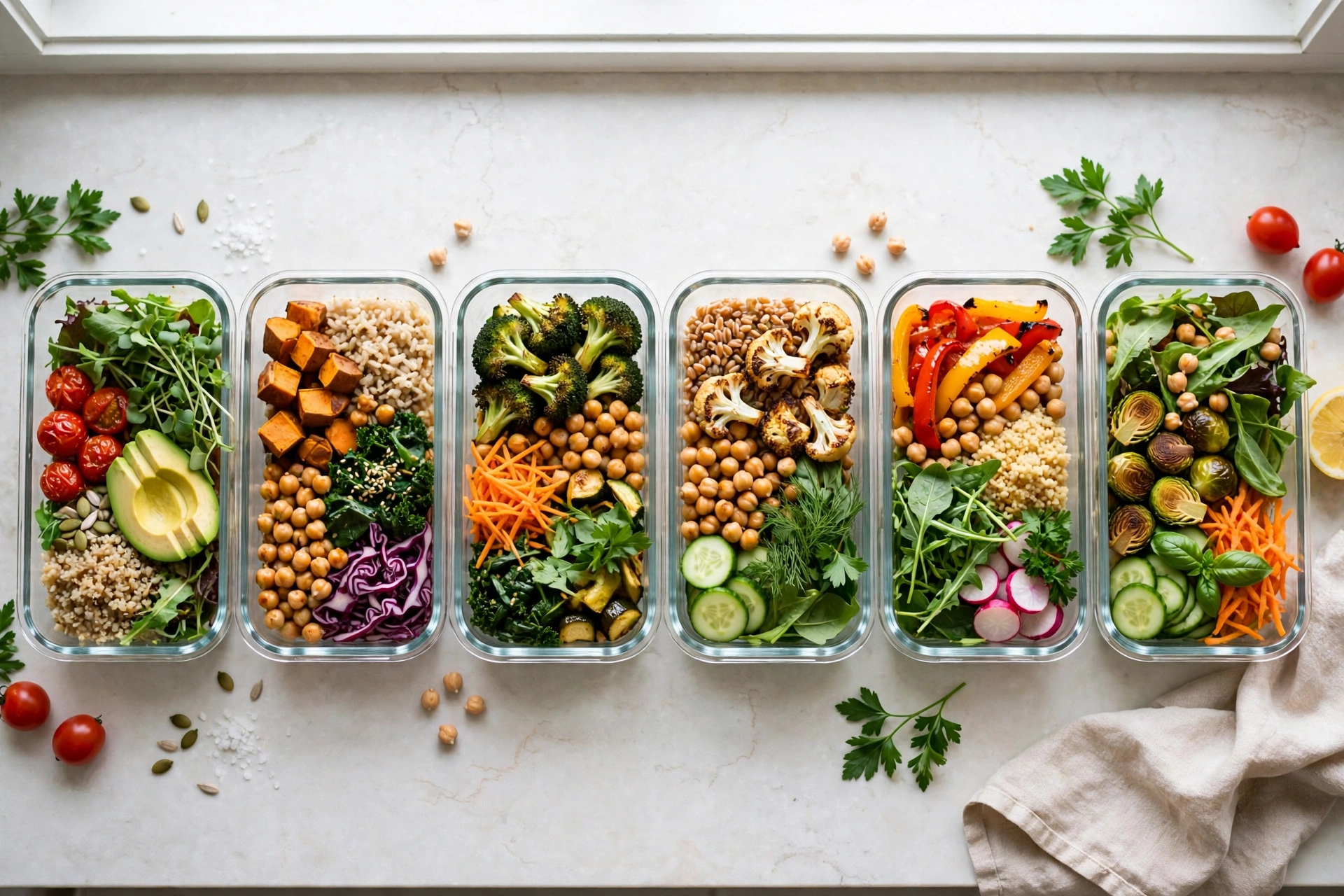
A good vegetarian prep starts with building blocks, not finished meals. Think of it as stocking a small pantry in your fridge: a cooked grain, a protein, a roasted vegetable, a fresh vegetable, and a sauce. The grain might be rice, quinoa, couscous, or pasta, cooked in a large batch and stored in a container. The protein might be lentils, chickpeas, black beans, tofu, tempeh, or eggs, seasoned and cooked simply. The roasted vegetable might be sweet potatoes, carrots, cauliflower, or courgettes, cut into even pieces, tossed in oil and salt, and roasted until the edges are golden. The fresh element might be a bag of salad leaves, sliced cucumber, or grated carrot. And the sauce might be a lemon and herb dressing, a tahini sauce, a tomato sauce, or a yoghurt and herb dip. Once those five building blocks are ready, a meal is just a combination: grain plus protein plus roasted vegetable plus sauce, with a fresh element on the side. These five building blocks are the foundation of every set of vegetarian meal prep ideas in this guide. Changing the sauce or the seasoning changes the meal completely, so the same chickpeas can become a Mediterranean bowl with tahini, a spicy wrap with chilli sauce, or a curry with coconut milk. This is the heart of good vegetarian meal prep ideas: cook components, not meals, and let the combinations do the work.
Vegetarian Meal Prep Ideas for Breakfast
Breakfast is the easiest meal to prep, and it is also the one that saves the most time on busy mornings. These vegetarian meal prep ideas for breakfast take minutes to assemble once the batch is made. Overnight oats are the classic starting point: oats mixed with milk, yoghurt, and chia seeds in a jar, left in the fridge overnight, and topped with fruit in the morning. They keep well for several days, and you can make four or five jars at once in different flavours — one with berries, one with banana and peanut butter, one with apple and cinnamon. Another good option is a baked oatmeal or a tray of egg muffins: whisk eggs with chopped vegetables and a little cheese, pour into a muffin tin, and bake until set. They reheat in a minute and travel well. Smoothie packs are a third idea: fill freezer bags with chopped fruit, spinach, and oats, then tip one into a blender with milk or yoghurt each morning. For something warmer, a big pot of porridge can be cooked on Sunday, stored in the fridge, and reheated with a splash of milk each morning. The trick with breakfast prep is to keep it simple and repeat it: two or three options, made in a batch, is enough to cover the whole week without boredom.
Vegetarian Meal Prep Ideas for Lunch
Lunch is where vegetarian meal prep ideas really shine, because a good packed lunch is the difference between eating well at work and buying something expensive and disappointing. Grain bowls are the backbone: a base of rice or quinoa, a protein such as chickpeas or lentils, roasted vegetables, a handful of salad leaves, and a dressing, packed in a container with the dressing kept separate until eating time so nothing goes soggy. Wraps are another reliable choice: fill a large wrap with hummus, roasted vegetables, salad, and feta or tofu, roll it tightly, and wrap it in foil. Both of these vegetarian meal prep ideas for lunch pack well and taste good cold or reheated. They keep well for a day or two and are easy to eat without a plate. Soup is the third workhorse: a large pot of lentil soup, minestrone, or roasted tomato soup, portioned into containers, freezes beautifully and reheats in minutes. Pair it with bread or crackers and a piece of fruit and you have a complete lunch. Noodle bowls are a fourth option, and they travel better than you might expect: cooked noodles, shredded vegetables, and a sauce, packed separately and combined at lunchtime. A vegetarian noodle bowl with a peanut or sesame dressing is a good example, and if you enjoy that style of food, our guide on is pad thai healthy looks at a noodle dish that can be made vegetarian and works well as part of a balanced week.
Vegetarian Meal Prep Ideas for Dinner
Dinners are where most people give up on cooking, so having dinner partly ready is the biggest win of all. The simplest approach is to prep the components on Sunday and assemble dinner in ten minutes each evening. A tray of roasted vegetables and a pot of cooked grains can become a grain bowl, a stir-fry, a curry, or a pasta dish depending on what you add. A slow cooker or a large pot can make a big batch of chilli, curry, or stew on Sunday that covers two or three dinners during the week, improving in flavour each day. These vegetarian meal prep ideas for dinner are built around the same Sunday components, so nothing extra needs cooking. Stuffed vegetables are another good prep: peppers or courgettes filled with a mixture of grains, beans, and cheese can be prepared in advance and baked when you are ready to eat. For nights when even ten minutes feels like too much, keep a few emergency meals ready: a frozen portion of soup, a jar of pasta sauce with a bag of pasta, or a tray of frozen veggie burgers. The goal is not to cook a new recipe every night but to make sure that a good dinner is always closer than a takeaway. When vegetarian meal prep ideas are working properly, the question at six o’clock changes from “what should I cook?” to “which of the things I already made should I eat tonight?” — and that is a much easier question to answer.
A Simple One-Week Plan
A plan makes prep far easier than improvising, so here is a simple week that uses the building blocks above. On Sunday, cook a large pot of rice or quinoa, a pot of lentils, a tray of roasted sweet potatoes and carrots, and a pot of vegetable soup. Store each in its own container. On Monday, have a grain bowl with lentils, roasted vegetables, and tahini sauce for lunch, and soup with bread for dinner. On Tuesday, use the rice and roasted vegetables in a wrap with hummus for lunch, and make a quick stir-fry with the remaining vegetables for dinner. On Wednesday, have leftover soup for lunch and a pasta dish with the lentils and tomato sauce for dinner. On Thursday, build a salad bowl with the grains, chickpeas, and fresh vegetables for lunch, and have a vegetable curry with rice for dinner, using a jar of curry paste to keep it quick. On Friday, use whatever is left in a “fridge clean-out” bowl: a little of everything, warmed up, with a fried egg on top. Breakfasts through the week are overnight oats or egg muffins, and snacks are fruit, nuts, or yoghurt. This is a template, not a rule: swap in the vegetables that are in season, the grains you like best, and the sauces your family enjoys, and the plan still works. If you follow this set of vegetarian meal prep ideas for a week, you will find the rhythm quickly.
Storage and Reheating Basics
Good storage is what makes meal prep safe and pleasant rather than a gamble. Cooked grains, beans, lentils, and roasted vegetables generally keep well in the fridge for three to four days in sealed containers, so food prepped on Sunday is best eaten by Wednesday or Thursday, and food for the end of the week is better frozen in portions and thawed the night before. Soups and stews freeze particularly well and can be kept for a few months. Always let food cool before sealing the container, and do not leave cooked food sitting out on the counter for hours — these small habits keep your vegetarian meal prep ideas safe all week. When reheating, heat food until it is steaming all the way through, and only reheat each portion once. Keep sauces and dressings separate from salads and grain bowls until you are ready to eat, so nothing goes soggy. Glass containers are easy to clean and do not hold smells, and a set of matching containers with tight lids makes the fridge far easier to organise. Labelling containers with the day you cooked them is a small habit that removes all guesswork. These storage rules apply to all the vegetarian meal prep ideas in this guide, whatever you cook. They are simple rules, but they are the difference between a fridge full of food you trust and a fridge full of food you are not sure about.
Snacks to Prep Alongside Your Meals
Snacks are often the forgotten part of vegetarian meal prep ideas, and they are where most healthy eating plans fall apart, because a hungry afternoon is when biscuits and crisps appear. Prepping snacks alongside your meals takes almost no extra effort and makes the week much easier. Cut up vegetables such as carrots, cucumber, and peppers and store them in water in the fridge so they stay crisp, with a small pot of hummus or yoghurt dip. Portion nuts and dried fruit into small bags so you can grab one on the way out. Make a batch of energy balls from oats, peanut butter, and dried fruit, rolled into small balls and kept in the fridge. Bake a tray of flapjacks or oat bars on Sunday and cut them into portions for the week. Hard-boil a few eggs for a quick, filling snack. If you would like more ideas for snacks that travel well and keep you going through a working day, our guide to healthy snacks for work has plenty of options that fit neatly into a meal prep routine. The principle is the same as with meals: prepare once, eat well all week.
Common Mistakes and How to Avoid Them
The most common mistake with vegetarian meal prep ideas is cooking too much of one thing. Five identical containers of the same lunch might look efficient on Sunday, but by Wednesday nobody wants to eat it again. The fix is to prep components, not finished meals, and to vary the sauce, seasoning, or grain so the same ingredients feel different. The second mistake is forgetting about texture: soft foods stored together become mush, so keep crunchy things separate and add them at eating time. The third is under-seasoning: food that will be eaten cold or reheated needs a little more seasoning than food eaten straight from the pan, because cold dulls flavour, so taste and adjust before packing. The fourth is poor containers: leaky lids and mismatched boxes make the fridge a mess and the food unappealing, so invest in a set of good containers. The fifth is trying to prep too much at once: if you are new to this, start with two or three building blocks and one week’s worth of lunches, and build up from there. Vegetarian meal prep ideas work best when they fit your real life, not when they turn Sunday into a second job.
Frequently Asked Questions
How long does vegetarian meal prep last in the fridge? Cooked grains, beans, lentils, and roasted vegetables generally keep for three to four days in sealed containers. Food for later in the week is better frozen in portions.
Can I freeze vegetarian meal prep? Yes. Soups, stews, curries, and cooked grains freeze well. Salads, fresh vegetables, and dressings do not, so keep those separate and add them fresh.
Do I need special containers? No, but good containers help. Glass containers with tight lids are easy to clean and do not hold smells, and matching containers make the fridge easier to organise.
How do I stop meal prep from getting boring? Prep components rather than finished meals, and vary the sauce, seasoning, or grain. The same chickpeas can become a Mediterranean bowl, a spicy wrap, or a curry.
Can I meal prep if I am new to vegetarian cooking? Yes, and prep is a good way to start. Learn a few reliable building blocks — a grain, a bean dish, a roasted vegetable, a sauce — and repeat them until they feel easy.
What are the easiest vegetarian meal prep ideas for beginners? Start with overnight oats for breakfast, a grain bowl for lunch, and a pot of lentil soup for dinner. Those three cover the week and teach you the building blocks at the same time.
A Week That Cooks Itself
The best vegetarian meal prep ideas are not complicated recipes but simple habits: cook a grain, cook a protein, roast a tray of vegetables, make a sauce, and let the combinations take care of the rest. A couple of hours on Sunday can give you a week of breakfasts, lunches, and dinners that are ready when you are, and the more you do it, the faster it gets. Start small, with two or three building blocks and a single week’s lunches, and add to it as the habit settles in. Before long, the hardest part of dinner will not be cooking it — it will be choosing which of the good things you already made to eat tonight.