Best Noise Cancelling Headphones: How to Choose
A good pair of noise cancelling headphones can turn a noisy train into a quiet room, a busy office into a private workspace, and a long flight into a restful few hours. But the market is crowded, the prices vary widely, and the best pair for a frequent flyer is not necessarily the best pair for someone who works from a kitchen table. This guide explains how to choose the best noise cancelling headphones for the way you actually live, without jargon and without pretending there is one perfect pair for everyone.
The honest truth is that the best noise cancelling headphones are the ones that fit your ears, your routine, and your budget, and that you will actually enjoy wearing for hours at a time. A pair with powerful cancellation but an uncomfortable headband will sit in a drawer. A pair with wonderful sound but a weak microphone will frustrate you on every call. The sections below walk through how the technology works, the shapes available, and the features that matter, so you can compare models with confidence.
How Noise Cancelling Actually Works
Noise cancelling headphones reduce unwanted sound using active noise control, a technology that works by fighting sound with sound. Tiny microphones on the outside of the headphones listen to the noise around you, and the headphones’ electronics create a mirror-image sound wave that is the exact opposite of the incoming noise. When the two waves meet, they cancel each other out, and the noise reaching your ears is greatly reduced. This is called destructive interference, and it is the core idea behind every active noise cancelling headphone. For a deeper technical explanation, see Wikipedia’s overview of noise-cancelling headphones.
The system works best on steady, low sounds: the drone of an aircraft engine, the hum of air conditioning, the rumble of a train, or road noise from traffic. Those constant sounds are predictable, so the electronics can build an accurate opposite wave. Sudden, sharp, or irregular sounds, such as a nearby conversation or a door slamming, are harder to cancel, because they change too quickly for the system to match them. That is why even the best noise cancelling headphones reduce the world to a hush rather than total silence, and why voices nearby are softened rather than erased.
The idea is older than most people expect. The first patent for a noise control system was granted to German physicist Paul Lueg in 1936, and working models appeared in the 1950s. Consumer headphones with the technology arrived much later, and Bose became one of the first companies to sell them widely, after its founder Amar Bose grew frustrated with aircraft cabin noise during a flight and set out to solve the problem. The company’s QuietComfort range later helped make noise cancelling a familiar feature rather than a specialist one.
Modern headphones use one of three microphone layouts. Feedforward systems place microphones on the outside of the earcups to catch noise before it reaches your ear. Feedback systems place microphones inside the earcup to measure what actually reaches the listener. Hybrid systems use both, combining the strengths of each. You do not need to choose between these designs yourself, but it helps to know that the technology is well established and that the differences between good models are usually about tuning, comfort, and features rather than the basic idea.
Active vs Passive Noise Cancelling
It helps to separate two ideas that are often mixed together: active noise cancelling and passive noise isolation. Passive isolation is simple physics: the earcups or ear tips physically block sound, like earplugs or earmuffs. Thick padding and a tight seal keep noise out, and this works well for higher sounds. Active noise cancelling is the electronic system described above, and it works best on low, steady sounds. Every good pair of noise cancelling headphones uses both at once. This is why the best noise cancelling headphones always combine the two: the seal blocks the highs, and the electronics cancel the lows.
This matters because a pair can be excellent at one and weak at the other. Loose earbuds with weak tips may have clever electronics but let in too much sound around the edges for the system to help. A well-sealed over-ear pair with thick padding already blocks a lot of noise before the electronics even start. When you compare the best noise cancelling headphones, pay attention to the seal as well as the technology: put them on, and notice how much of the room disappears before you even switch the cancelling on.
Active cancelling also needs power. The electronics run on a battery, and if the battery dies, most models either stop cancelling or stop working as headphones altogether, depending on the design. Battery life is therefore part of the buying decision, not an afterthought, and it is covered in the checklist below.
Over-Ear or Earbuds: Which Shape Fits You?
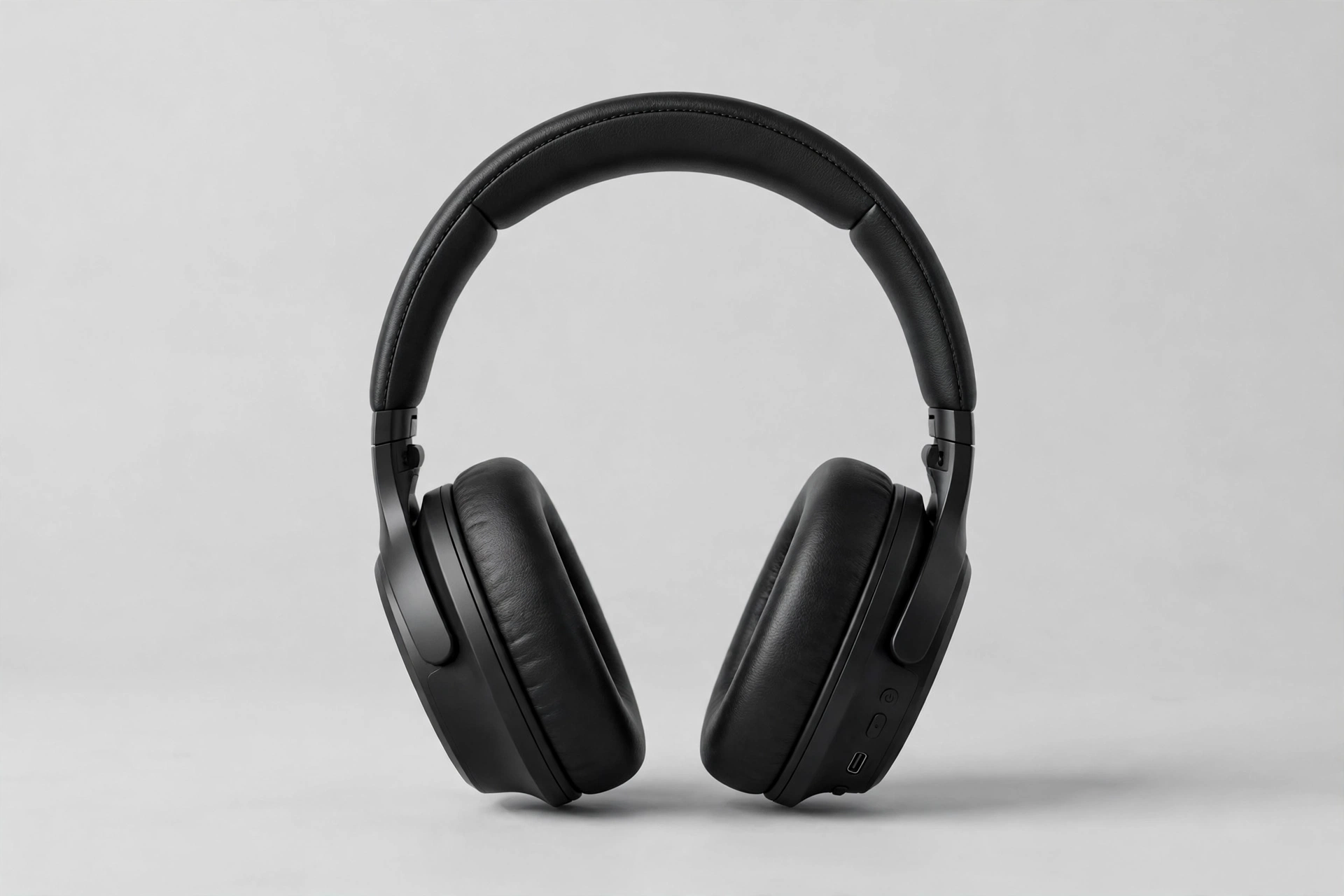
The first real choice is the shape, and it shapes everything else. Over-ear headphones have large earcups that cover the whole ear, with thick padding and plenty of room for batteries and microphones. They usually offer the strongest noise cancelling, the most comfortable fit for long sessions, and the best sound, because the larger drivers and the sealed cups give the engineers more to work with. The trade-off is size: they are bulkier to carry, warmer on the ears, and more obvious to wear out and about.
Earbuds are small, pocketable, and easy to carry everywhere, which is why many people prefer them for commuting and the gym. Their noise cancelling has improved a great deal, and a good pair with the right tips can be surprisingly effective. The seal matters even more with earbuds: the tips must fit your ears well, or noise leaks in around them and the cancelling cannot compensate. Most earbuds come with several tip sizes, and trying them is worth the few minutes it takes.
There is no universal winner. For travellers, the best noise cancelling headphones are usually over-ear models, because the seal and the battery are both bigger. If you travel often or work long hours in a noisy place, over-ear headphones are usually the better investment. If you want something for the train, the gym, and short calls, earbuds are hard to beat for convenience. If you want the best noise cancelling headphones for the gym, look at earbuds with a secure fit and water resistance. Some people own both, and that is a reasonable answer too: use the over-ears at your desk or on a plane, and the earbuds everywhere else.
What to Look For in the Best Noise Cancelling Headphones
Once you have chosen a shape, the details decide which pair is right for you. Use this checklist when you compare the best noise cancelling headphones in a shop or online. Comfort comes first, because the best noise cancelling headphones are the ones you can wear for hours. Try them on if you can, and pay attention to the weight, the pressure on your head, and whether your ears feel hot after a few minutes. A pair that feels fine for five minutes in a shop can become uncomfortable after two hours on a plane, so comfort is worth more than a small difference in cancelling strength.
Battery life comes second. Most wireless over-ear models run for a full day or more of listening with cancelling switched on, while earbuds give fewer hours per charge but recharge from their case. Think about your longest day: a long flight, a full working day, or a commute with calls. One of the easiest ways to compare the best noise cancelling headphones is to check the battery figure with cancelling switched on, not switched off. If the battery runs out before your day does, the cancelling stops with it, so choose a pair whose battery comfortably covers your routine, and check whether a short charge gives enough power for an emergency top-up.
Sound quality is third, and it is more personal than the specifications suggest. Some people like a warm, bass-rich sound, while others prefer a clear, neutral balance. There is no right answer, so listen to music you know well when you try a pair, and notice whether voices sound natural and whether the bass feels controlled rather than muddy. The best noise cancelling headphones for music lovers are the ones that sound right with the music you actually listen to. Many headphones also offer an app that lets you adjust the sound, which is useful if you want to tune the pair to your taste.
Microphone quality matters more than most buyers expect. If you take calls or join video meetings, the microphones decide how clearly other people hear you. A pair with good microphones picks up your voice and reduces the noise around you, while a pair with poor microphones makes you sound distant in a busy room. If calls are a big part of your day, test the microphones in a noisy place before you commit. If you take calls all day, the best noise cancelling headphones for you are the ones with the clearest microphones, not the strongest cancelling.
Controls and everyday features are the final check. Look for simple, reliable controls for volume, calls, and switching the cancelling on and off, and for a transparency mode that lets outside sound in when you need to hear an announcement or a colleague. Some models let you connect to two devices at once, so you can listen to music on your laptop and take a call on your phone without reconnecting. Small features like these are easy to overlook and annoying to miss later.
Well-Known Examples Worth Knowing
It helps to know a few names before you start comparing, because they show what the category can do. Two names come up again and again when people talk about the best noise cancelling headphones: Sony’s WH-1000XM5, a flagship over-ear model, and Bose’s QuietComfort range, which has been refined over many years. Both are well known for strong noise cancelling and for being comfortable over long sessions, and both are often used as the benchmark other models are compared against.
Use them as reference points, not as a shortlist you must choose from. The right approach is to compare any pair you consider against what these models offer, and to ask whether the differences that matter to you justify the difference in cost. Other respected brands make excellent models too, and a pair from a less famous brand can be the better buy if it fits your ears and your routine more comfortably. The examples above simply give you a sense of what good looks like in this category.
Who Gets the Most From Noise Cancelling?
Noise cancelling pays for itself fastest for people who spend long stretches in steady noise. Frequent flyers are the classic example: hours of engine drone are exactly the kind of sound the technology handles best, and many travellers say the difference on a long flight is the reason they bought their pair. Commuters on trains and buses get a similar benefit, turning a noisy journey into time for music, podcasts, or simply quiet. Commuters are another group for whom the best noise cancelling headphones pay for themselves quickly.
Office workers are another group that benefits, especially in open-plan spaces. Noise cancelling does not remove voices completely, but it softens the background hum and makes it easier to concentrate, and a pair of headphones is also a visible signal that you do not want to be interrupted. People who work from home with noisy neighbours or building work nearby often find the same.
It is worth knowing what noise cancelling does not do well. It will not remove a loud conversation next to you, and it will not make a crying baby disappear. If your main problem is sudden noise rather than steady drone, a good seal and a volume control may help you more than stronger cancelling. Be honest about the noise you actually face, and choose accordingly.
Common Mistakes When Buying
The first mistake is buying on the strength of the cancelling alone and ignoring comfort. A pair can cancel noise brilliantly and still be a bad purchase if the headband presses on your head or the earcups make your ears sweat. Wear any pair for as long as you can before deciding, and pay attention to how it feels after half an hour, not just the first minute. A pair can cancel brilliantly and still be a poor choice, which is why the best noise cancelling headphones are judged on comfort as much as on cancelling.
The second mistake is assuming the most expensive pair is the best one for you. Price and quality are related, but the returns shrink quickly: a mid-range pair often gives you most of what a flagship offers, and the extra money may buy features you will never use. Set your budget first, then find the pair that fits your ears and your day inside it.
The third mistake is forgetting the microphone. Many buyers focus on music and only discover on their first call that the other person can barely hear them. If you take calls, test the microphone in a noisy place, or read how it performs on calls before you buy.
The fourth mistake is skipping the fit. Earbuds with the wrong tips and over-ears with the wrong clamping force both let noise in around the edges, and no amount of electronics can fix a bad seal. Try the included sizes, and if a pair still does not seal well, it is the wrong pair for you, however good its reputation.
How to Test Headphones Before You Commit
If you can try a pair before buying, do it properly. The best noise cancelling headphones reveal themselves in a noisy place, not a quiet shop. Put them on in a noisy place, not just in a quiet shop, and switch the cancelling on and off to hear the difference. Listen to a song you know well, and notice whether voices sound natural and whether the bass feels controlled. Make a short call, or record a voice note, to hear how the microphone sounds.
Check the fit by wearing them for at least ten minutes, and notice any pressure on your head or warmth around your ears. Try the controls: volume, calls, and the transparency mode that lets outside sound in. Finally, check the practical details: how they charge, how they fold or fit in their case, and whether they connect easily to your phone and your computer. If you edit video, good headphones also help you hear dialogue and background noise clearly while you cut, and our guide to the best video editing software is a useful companion if that is part of your routine.
Frequently Asked Questions About the Best Noise Cancelling Headphones
Do noise cancelling headphones block all sound?
No. They are most effective on steady, low sounds such as engine drone, air conditioning, and road noise. Sudden sounds, such as speech or a door closing, are softened but not removed. Even the best noise cancelling headphones reduce the world to a hush rather than total silence.
Are noise cancelling headphones safe?
They are safe when used sensibly, but there are two things to keep in mind. First, keep the volume at a reasonable level: cancelling the background noise can tempt you to turn the music up, and loud listening over long periods can damage your hearing. Second, be aware of your surroundings: wearing headphones while driving or cycling is illegal in some places, and even where it is not, it can be dangerous because you will not hear traffic or warnings.
Do noise cancelling headphones work without battery?
The active cancelling needs power, so it stops when the battery runs out. Some models keep playing music passively through a cable when the battery is flat, while others stop working altogether. Check this before you buy if you plan to use the headphones on long trips without a charger.
Are earbuds or over-ear headphones better for noise cancelling?
Over-ear headphones usually cancel more noise, because their larger earcups seal better and hold bigger batteries and more microphones. Earbuds are more portable and more convenient, and a good pair with well-fitting tips can be surprisingly effective. The better choice depends on whether you value maximum quiet or maximum portability. The best noise cancelling headphones in each shape are the ones that seal well and suit your routine.
Can I wear noise cancelling headphones all day?
You can, but take breaks. Long sessions can make your ears feel warm or pressured, and some people feel a slight sense of pressure from the cancelling itself, especially at first. If you feel discomfort, take the headphones off for a few minutes and let your ears rest.
Do I need an app to use noise cancelling headphones?
No, the cancelling works without an app. The app usually adds extras, such as adjusting the strength of the cancelling, tuning the sound, or updating the headphones’ software. These are useful, but the core features work straight out of the box.
The best noise cancelling headphones are not a single model on a shelf. They are the pair that fits your ears, covers your longest day on one charge, sounds right to you, and handles the noise you actually face. Start with the shape, check comfort and battery before anything else, and test the microphones if you take calls. Do that, and you will end up with a pair you reach for every day, rather than a famous name sitting unused in a drawer.