What Is Sleep Paralysis? Causes, Symptoms, and What Helps
What is sleep paralysis? It is the frightening moment when you wake up — or are falling asleep — and realize you cannot move or speak. Your mind is awake, but your body is still asleep. The episode usually lasts from a few seconds to a couple of minutes, and while it feels alarming, it is not dangerous in itself.
Sleep paralysis is surprisingly common. Studies suggest a large share of people experience it at least once in their lives, and it often starts in the teenage years or early adulthood. Understanding what it is takes away much of the fear.
What Happens During Sleep Paralysis?
Sleep paralysis happens when the brain wakes up before the body does. During REM sleep — the stage when most dreaming happens — your brain temporarily switches off your voluntary muscles. This is called REM atonia, and it is a normal safety feature that stops you from acting out your dreams.
In sleep paralysis, you become conscious while this muscle paralysis is still active. You can think, breathe, and move your eyes, but you cannot move your arms, legs, or speak. The mismatch between a waking mind and a sleeping body is what makes it so frightening.
What Is Sleep Paralysis Like? Common Symptoms
People describe sleep paralysis in similar ways:
- Inability to move or speak for seconds to minutes, even though you are awake.
- A feeling of pressure on the chest, as if something heavy is sitting on you.
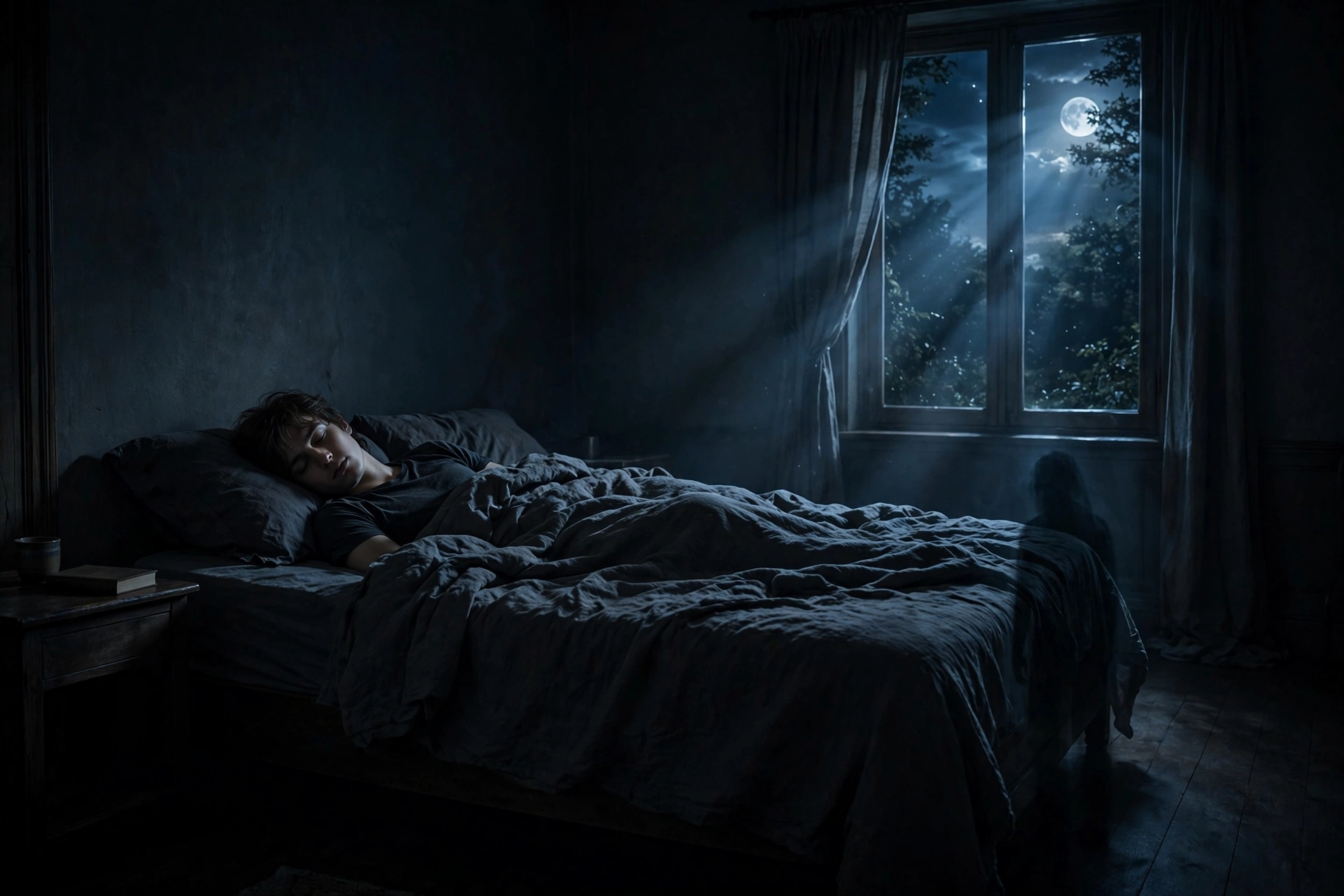
- Hallucinations. Many people sense a presence in the room, see a shadowy figure, or hear sounds that are not there. These are dream imagery leaking into waking consciousness — they feel real, but they are not.
- Fear and panic. The combination of paralysis and hallucinations triggers intense fear, which makes the episode feel longer than it is.
- Difficulty breathing. Breathing feels shallow because the chest muscles are still partly relaxed, though you are still getting enough air.
Episodes usually end on their own. Trying to move a small part of your body — wiggling a finger or toe, or focusing on slow breathing — can help bring an episode to an end sooner.
Who Gets Sleep Paralysis?
Anyone can experience sleep paralysis, but it is more likely if you:
- Are sleep-deprived or keep irregular sleep hours.
- Sleep on your back (episodes are more common in this position).
- Are under a lot of stress.
- Have a sleep disorder, such as narcolepsy, or another condition that disrupts sleep.
- Use alcohol or certain medications that affect sleep.
Students, shift workers, and new parents — anyone with disrupted sleep — report it more often. Sleep problems can affect the whole family, and even babies’ sleep patterns can disrupt the household’s rest.
Is Sleep Paralysis Dangerous?
Sleep paralysis itself is not dangerous and does not cause physical harm. It is a glitch in the sleep-wake transition, not a sign of something wrong with your brain. However, frequent episodes can harm your sleep quality and make you anxious about going to bed, which creates a cycle: anxiety leads to worse sleep, and worse sleep leads to more episodes.
See a doctor if episodes happen often, if you feel excessively sleepy during the day, or if you have other symptoms like falling asleep suddenly — those can point to an underlying sleep disorder that is worth checking.
What Helps Prevent Sleep Paralysis?
There is no guaranteed cure, but these habits make episodes less likely:
- Keep a regular sleep schedule. Go to bed and wake up at the same time every day, even on weekends.
- Get enough sleep. Most adults need 7 to 9 hours a night.
- Avoid sleeping on your back. Try sleeping on your side instead.
- Cut back on alcohol and heavy meals before bed. Both can disrupt REM sleep.
- Manage stress. Relaxation, exercise, and a calm bedtime routine all help.
- Put screens away before bed. Bright screens and late-night scrolling make it harder to fall asleep and stay asleep.
The Bottom Line
What is sleep paralysis? It is a brief, harmless glitch where your mind wakes up before your body, leaving you temporarily unable to move — often with vivid hallucinations and a feeling of pressure. It is common, it is not dangerous, and it usually passes in under two minutes. Regular sleep, enough rest, and sleeping on your side are the simplest ways to make episodes less likely. If they happen often or come with daytime sleepiness, talk to a doctor — there may be an underlying sleep issue that can be treated.