What Causes Sleep Paralysis? 7 Triggers and How to Avoid Them
What causes sleep paralysis? The short answer is a mistimed wake-up: your brain becomes conscious while your body is still in the muscle paralysis of REM sleep. But the deeper question is what makes that mistiming more likely — and the answer is usually a mix of poor sleep, stress, and habits that disrupt your sleep cycle.
Sleep paralysis is not caused by anything supernatural, and it is not a sign of a serious illness on its own. Once you know the triggers, you can reduce how often it happens.
What Causes Sleep Paralysis: How It Happens
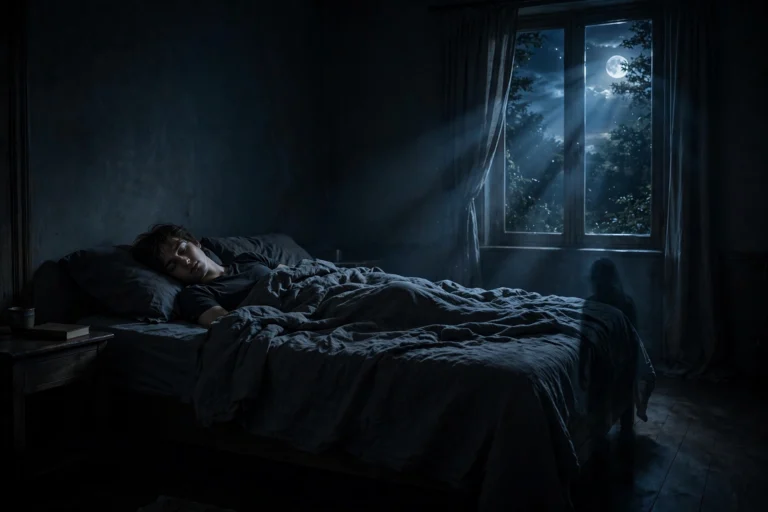
During REM sleep, your brain switches off your voluntary muscles so you do not act out your dreams. Normally, this paralysis lifts a moment before you wake up. In sleep paralysis, the order reverses: you wake up first, while the paralysis is still active. You are conscious, but you cannot move or speak.
Anything that fragments your sleep or throws off your sleep cycle makes this mistiming more likely. Here are the seven most common triggers.
1. Sleep Deprivation
The most common trigger. When you are short on sleep, your body tries to catch up by entering REM sleep faster and more intensely — a phenomenon called REM rebound. That increases the chance of waking up mid-REM. Sleeping fewer than 6 hours regularly is a strong risk factor — of everything on this list, it is the most common answer to what causes sleep paralysis.
2. Irregular Sleep Schedule
Going to bed and waking up at wildly different times confuses your body’s internal clock. Shift workers, students during exam season, and people with jet lag all report more episodes. A regular schedule is the single most effective prevention step.
3. Sleeping on Your Back
Episodes are more common when you sleep on your back. Researchers are not entirely sure why, but it may relate to how the airway and breathing behave in that position, or to lighter sleep. If you often wake up paralyzed, try sleeping on your side — many people find this alone cuts episodes dramatically.
4. Stress and Anxiety
Stress disrupts sleep in both directions: it makes it harder to fall asleep and easier to wake up during the night. Anxiety about sleep paralysis itself can make things worse — the fear of an episode leads to lighter, more broken sleep, which leads to more episodes. Breaking that cycle starts with understanding that the experience is harmless, even though it feels frightening.
5. Alcohol and Certain Substances
Alcohol may help you fall asleep, but it fragments sleep later in the night and suppresses REM sleep early on, leading to REM rebound in the second half of the night. The same pattern applies to some sleep medications and recreational substances. Cutting back on alcohol, especially in the evening, often reduces episodes.
6. Narcolepsy and Other Sleep Disorders
In narcolepsy, the brain has trouble regulating the boundary between waking and REM sleep, so sleep paralysis is a common symptom. Sleep apnea, which repeatedly interrupts breathing during the night, can also increase the risk. If sleep paralysis happens often and comes with extreme daytime sleepiness or sudden sleep attacks, a doctor may recommend a sleep study.
7. Mental Health Conditions
Anxiety, depression, and post-traumatic stress are linked to higher rates of sleep paralysis. The connection runs through disrupted sleep: these conditions make sleep lighter and more fragmented, which creates more chances for the wake-up mistiming. Treating the underlying condition often reduces the episodes as well.
Sleep and mental health are closely connected — for example, ADHD symptoms in women often include sleep difficulties, and improving sleep can help with daytime focus too.
How to Reduce Episodes
Most of what causes sleep paralysis comes down to habits you can change:
- Sleep 7 to 9 hours on a consistent schedule, even on weekends.
- Sleep on your side if you usually sleep on your back.
- Avoid alcohol in the evening and keep heavy meals earlier.
- Wind down before bed — dim lights, put the phone away, and keep the bedroom cool and dark.
- Manage stress with exercise, a regular routine, or relaxation techniques.
During an episode, remember it will pass in a minute or two. Focus on slow breathing and try to wiggle a finger or toe — small movements can help end it sooner.
When to See a Doctor
See a doctor if sleep paralysis happens several times a week, if you are very sleepy during the day, if you fall asleep suddenly, or if episodes come with other symptoms like hallucinations while fully awake. These can point to narcolepsy or another sleep disorder that deserves proper testing.
The Bottom Line
What causes sleep paralysis? Usually it is a mix of sleep deprivation, irregular sleep, stress, sleeping on your back, and alcohol — all of which disrupt the normal boundary between dreaming and waking. The good news is that most of these triggers are within your control. Regular sleep, enough rest, and a side-sleeping position prevent most episodes. And if episodes are frequent or come with daytime sleepiness, a doctor can check whether an underlying sleep disorder is involved.