How to Wash Pillows: A Step-by-Step Guide to Cleaner, Fresher Sleep
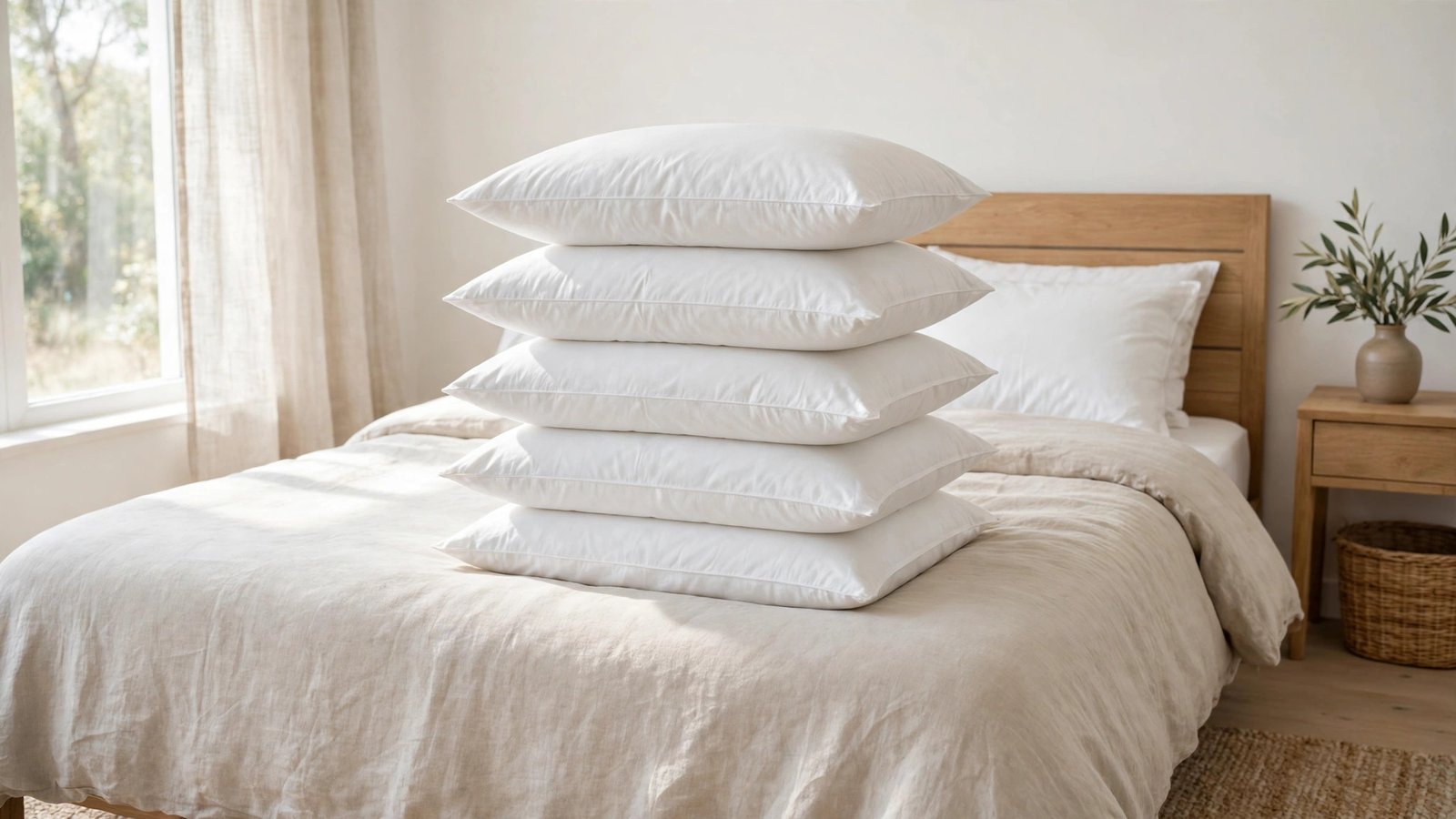
If you have ever wondered how to wash pillows safely at home, you are not alone. Pillows collect more than we usually think about. Night after night, they absorb sweat, body oils, dead skin, and dust. Even with a pillow protector, that buildup can lead to yellowing, odours, and a pillow that feels flat and tired. The good news is that many pillows can be washed at home, and doing so every few months can make a noticeable difference to how fresh your bed feels.
The key is knowing what kind of pillow you have, because the right method depends on the filling. Wash the wrong type the wrong way and you can end up with clumps or a damaged pillow. This guide covers how to wash pillows of the most common types — how to check your pillow’s care label, how to wash each type safely, and how to dry them properly so they come out fluffy rather than flat.
First, Check the Care Label
Knowing how to wash pillows safely starts here: before you wash any pillow, read the care label. It will tell you whether the pillow is machine washable, and at what temperature, or whether it should be dry cleaned or spot cleaned only. It may also give guidance on drying.
If the label says dry clean only, follow that advice rather than putting the pillow in your washing machine. Some pillows, particularly certain types of foam or those with special construction, are not designed to be submerged or agitated. Also check the pillow for damage before washing. If there are tears in the cover, repair them first or use a laundry bag, so the filling does not escape into the machine.
How to Wash Pillows: Down and Feather
Down and feather pillows are among the most common types you will come across when learning how to wash pillows, but they need a gentle and thorough wash rather than a quick spin. Use a front-loading washing machine if possible, as a top-loader with a central agitator can be rough on the filling. If you only have a top-loader, place the pillows vertically around the drum.
Use a gentle or delicate cycle with cool or warm water, as recommended on the label, and a small amount of mild detergent. An extra rinse cycle is a good idea to make sure all the detergent is washed out. After washing, press out excess water gently rather than wringing the pillow, which can break the feathers. If you have very hard water, it can also leave mineral residue in thick filling — our guide to a whole-house water softener explains how softened water can help with laundry.
Drying is the most important part for down pillows: they need to be dried thoroughly, or they can develop a musty smell and clump. Dry on a low heat setting with dryer balls, and check and fluff the pillows regularly during the cycle. It can take more than one cycle to dry them fully, so be patient and do not stop early.
How to Wash Fibre and Polyester Pillows
Fibre and polyester-filled pillows, often sold as hollowfibre pillows, are usually the easiest to wash when you are learning how to wash pillows. Most can go in the washing machine on a gentle cycle with warm water and a small amount of mild detergent.
As with down pillows, wash two at a time for balance, and run an extra rinse if your machine offers it. Dry fibre pillows on a low heat setting with dryer balls to help them regain their shape. Check them during drying and fluff by hand between cycles if needed. They generally dry faster than down pillows, but make sure they are completely dry inside before you put the pillowcase back on. Any remaining dampness can lead to odours or mildew.
How to Wash Memory Foam and Latex Pillows
When you are working out how to wash pillows made of memory foam or latex, remember they should not usually be machine washed or submerged in water. These materials can absorb a lot of water, take a very long time to dry, and may lose their shape if agitated in a machine.
Instead, spot clean these pillows. Remove the outer cover if it is washable and launder that separately according to its label. For the foam itself, vacuum gently using an upholstery attachment to remove dust. For stains, dab the area with a clean cloth dampened with a small amount of mild detergent and water, working from the outside of the stain inward. Avoid soaking the foam.
After spot cleaning, let the pillow air dry completely in a well-ventilated area, away from direct heat. Do not put memory foam or latex in the dryer, as heat can damage the material. If a foam pillow has a persistent odour, airing it out for several hours can help, and a light sprinkle of baking soda left for a short time before vacuuming can freshen it.
Drying Pillows Properly
Knowing how to wash pillows also means knowing how to dry them, because drying is where many pillow-washing attempts go wrong. A pillow that looks clean but is still damp in the middle can develop a musty smell, or even start to grow mildew. The centre of a thick or down-filled pillow can take much longer to dry than the outside suggests.
If your pillow can go in the dryer, use a low heat setting and add dryer balls or clean tennis balls. Stop the dryer periodically to check the pillow, fluff it by hand, and break up any clumps. For down pillows, this may take more than one full cycle.
If you are air drying, lay the pillow flat on a clean surface in a well-ventilated area, and turn it regularly. Never put a pillow back on the bed until it is completely dry to the touch, both outside and in the middle. Press the centre firmly: if it feels cool or damp, it needs more drying time.
Frequently Asked Questions
Can I wash all pillows in the washing machine?
No. Many down and fibre pillows are machine washable, but memory foam, latex, and some speciality pillows usually are not. Always check the care label first, and follow the manufacturer’s instructions.
How do I keep pillows fluffy after washing?
Dry them thoroughly on low heat with dryer balls or clean tennis balls, and stop to fluff them by hand during the cycle. Make sure they are completely dry before use, and fluff them daily once they are back on the bed.
Why does my pillow smell after washing?
A musty smell after washing usually means the pillow was not dried completely. Dry it again thoroughly on low heat, checking the centre for dampness, and air it out in a ventilated space before using it.
Can I use fabric softener on pillows?
It is best to avoid fabric softener on most pillows. It can leave a coating on the filling that reduces fluffiness and makes detergent harder to rinse out, especially on down and fibre pillows.
Conclusion
Washing your pillows is a simple habit that can make your bed feel noticeably fresher and help your pillows last longer. The method depends on the filling: down and fibre pillows usually do well on a gentle machine cycle with thorough low-heat drying, while foam and latex pillows are best spot cleaned and air dried. Check the care label, use a small amount of mild detergent, dry completely, and wash every few months. With that routine, your pillows will stay cleaner, fluffier, and far more comfortable to sleep on. For more detail on drying times and care, the Sleep Foundation’s guide to washing pillows is a useful second reference.