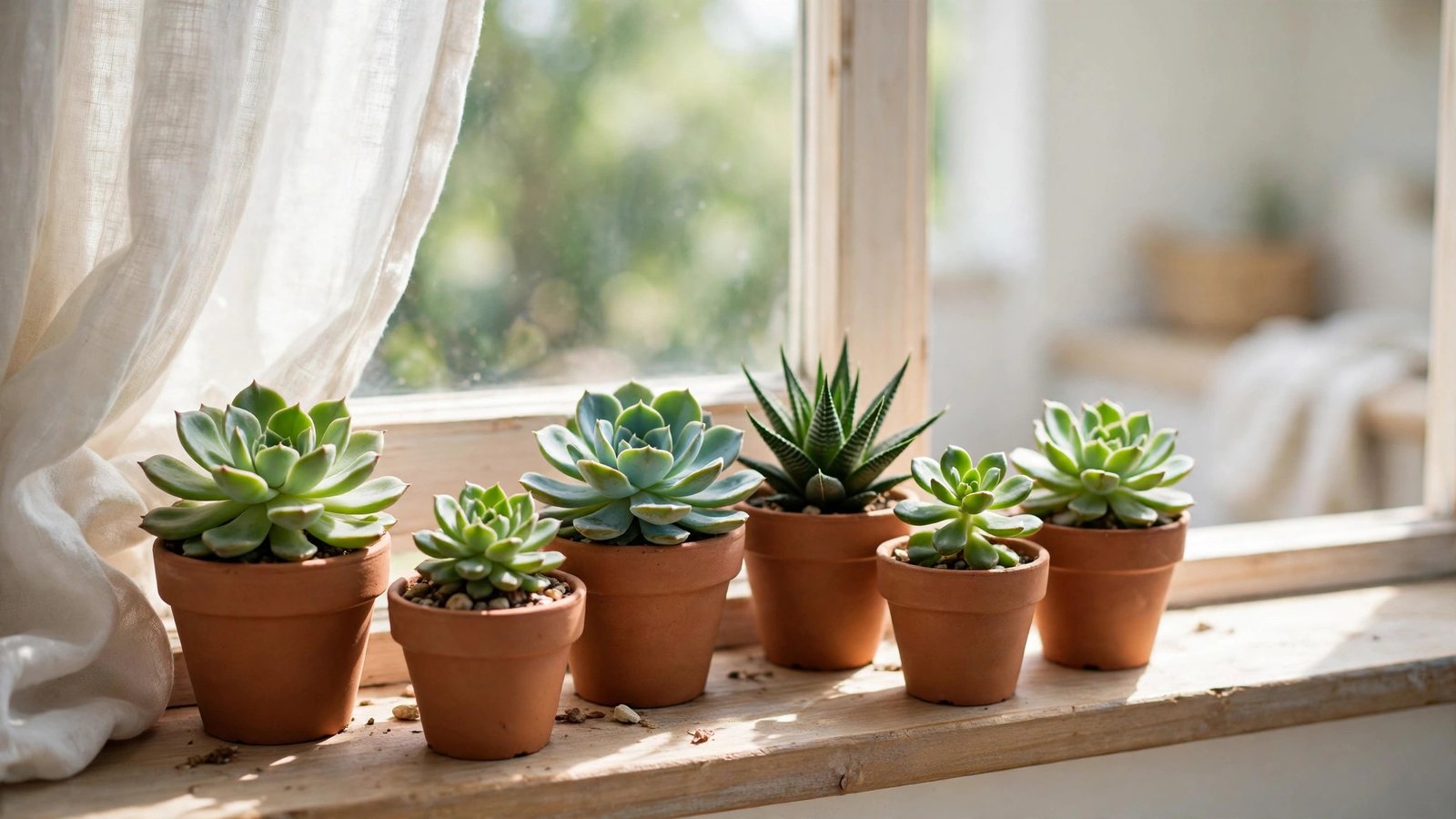
How to Plant Succulents: A Beginner’s Guide for Healthy, Happy Plants
Succulents are some of the most forgiving plants you can grow, which is exactly why they are so popular. With thick, fleshy leaves that store water, they can handle a missed watering far better than most houseplants. They also come in a huge range of shapes and colours, from tiny rosettes that fit on a windowsill to trailing varieties that spill over a hanging basket.
That said, succulents do have a few non-negotiable needs. Get the soil, light, and watering right, and they will thrive with very little fuss. This guide walks you through how to plant succulents step by step, whether you are starting with a small nursery plant or a cutting.
Choose the Right Succulent
Before you pick up a pot, choose a succulent that suits your space. Some love full sun, while others prefer bright, indirect light. Some stay compact, while others spread quickly or grow tall over time. Knowing how to plant succulents starts with matching the variety to your light and space.
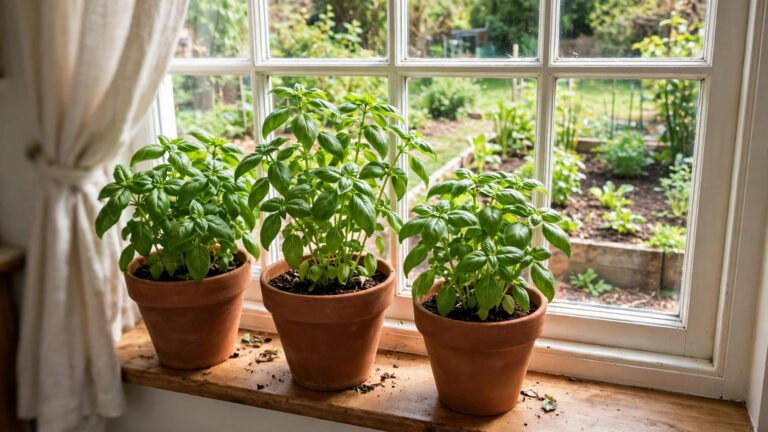
If you are growing indoors, look for varieties known to do well inside, such as echeveria, haworthia, jade plants, and snake plants. Check the plant label about light and temperature needs before you buy. If you are learning how to plant succulents indoors, start with one of these forgiving types. If you enjoy growing plants indoors, our guide to growing basil indoors covers another easy option.
When choosing a plant, look for firm, plump leaves with even colour. Avoid plants with soft, translucent, or mushy leaves, which can be a sign of overwatering or rot.
Pick a Pot With Drainage
The most important choice after the plant itself is the pot. Succulents hate sitting in wet soil, so drainage is essential. Always choose a pot with at least one drainage hole. If you love a decorative pot with no hole, use it as an outer cover pot and keep the succulent in a smaller nursery pot inside, removing it to water and letting it drain fully before putting it back. When you learn how to plant succulents, drainage matters more than pot size or colour.
Terracotta pots are a great choice because the porous clay helps excess moisture evaporate. Glazed ceramic, plastic, and metal pots can also work, but they hold moisture longer, so be extra careful with watering. Whatever you choose, make sure the pot is only slightly larger than the plant’s root ball. A pot that is far too big holds extra soil that stays wet for too long, which increases the risk of root rot.
Use Well-Draining Soil
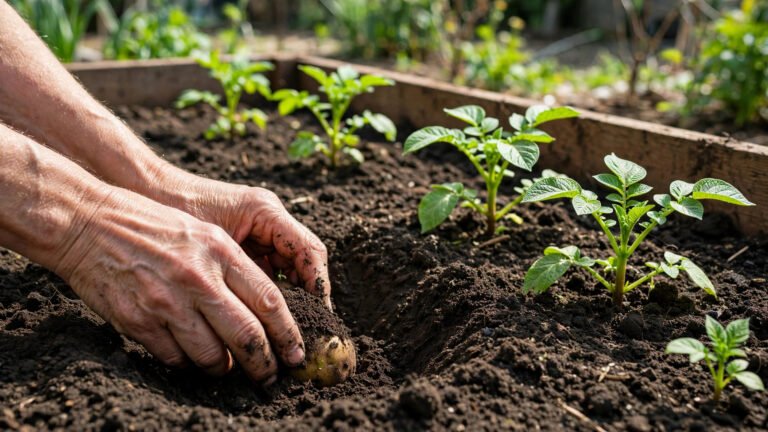
Ordinary garden soil or standard potting mix is usually too heavy for succulents. It holds water for too long and does not let air reach the roots. Succulents need a loose, gritty mix that drains quickly. The right mix is a key part of how to plant succulents successfully. The same loose, free-draining approach also helps when you plant potatoes in containers.
You can buy a ready-made cactus and succulent mix from a garden centre, which is the simplest option for beginners. If you prefer to make your own, mix regular potting soil with coarse sand, perlite, or pumice to improve drainage. The result should feel light and crumbly, not dense and wet. Avoid fine sand, which can compact and block drainage, and avoid soil with a lot of moisture-retaining additives.
How to Plant Succulents Step by Step
Once you have your plant, pot, and soil ready, planting is straightforward. Fill the bottom of your new pot with soil mix, then place the plant in the centre and check the height: the base of the plant should sit at about the same level it was in its old pot, with the top of the root ball just below the rim. Take your time at this stage: how to plant succulents well is mostly about gentle handling and good drainage.
Gently remove the succulent from its old pot, supporting the base rather than pulling on the leaves. If the roots are tightly bound, gently loosen them with your fingers so they can spread into the fresh soil. Set the plant in the new pot and fill in around the roots with soil mix, pressing very lightly to remove large air pockets. Do not pack the soil down hard.
If you are planting a cutting, let the cut end dry and form a callus for a few days before planting. This helps prevent rot. Then place the callused end just into the soil and wait for roots to form, keeping the soil lightly moist but not wet. Learning how to plant succulents from cuttings takes patience, but the steps are the same.
Wait a few days before watering a newly repotted succulent. This gives any small root damage time to heal. After that, water thoroughly until water runs out of the drainage hole, then let the soil dry out completely before watering again.
Light and Watering
Light is one of the biggest factors in how your succulent looks. Most succulents need several hours of bright light each day, and a sunny windowsill is ideal for many indoor varieties. If a succulent does not get enough light, it will stretch, with leaves spaced far apart on a long stem as it reaches for the sun. If you notice stretching, move the plant gradually to a brighter spot. Be careful with sudden moves into harsh direct sun, though — a plant that has been indoors can sunburn, so move it outdoors gradually over a week or two.
Overwatering is the most common reason succulents fail. Because they store water in their leaves, they need far less frequent watering than most plants. Water only when the soil is completely dry all the way through. When you do water, water deeply so the whole root zone is moistened, then empty any saucer underneath so the plant is not sitting in water.
How often you need to water depends on the season, pot size, soil, light, and heat. In warm, bright conditions during the growing season, that might be every week or two. In cooler months, it might be once a month or less. Always let the soil, not the calendar, tell you when to water. Signs of overwatering include soft, mushy leaves and leaves dropping off easily. Signs of underwatering include wrinkled or shrivelled leaves. As you learn how to plant succulents and care for them, checking the soil before watering is the habit that matters most.
Frequently Asked Questions
How often should I water succulents?
Water only when the soil is completely dry. That may be every week or two in warm, bright conditions, and much less often in winter. Always check the soil first rather than watering on a fixed schedule.
Do succulents need direct sunlight?
Most need several hours of bright light each day, and many enjoy some direct sun. Introduce a plant to strong sun gradually to avoid sunburn, and watch for stretching, which is a sign it needs more light.
Can I plant succulents in a pot without drainage holes?
It is not recommended. Without drainage, excess water has nowhere to go and root rot becomes likely. Use a pot with drainage holes, or keep the plant in a nursery pot inside a decorative cover pot.
Why are my succulent’s leaves turning soft and mushy?
Soft, mushy, or translucent leaves are usually a sign of overwatering. Let the soil dry out completely, remove any rotted leaves, and make sure the pot drains well. In future, water less often and only when the soil is fully dry.
Conclusion
Planting succulents is simple once you understand what they need: a pot with drainage, loose and gritty soil, plenty of bright light, and watering only when the soil is dry. Choose a variety that suits your space, plant it carefully, and give it time to settle in. With those basics in place, succulents reward you with striking shapes and colours and very little day-to-day work. Once you know how to plant succulents, you can use the same approach for almost any variety.