How to Make Tea: A Simple Guide to Brewing a Great Cup
Tea is one of the most popular drinks in the world, and learning how to make tea well is easier than many people think. A great cup of tea does not need fancy equipment or rare leaves. It needs fresh water, the right temperature, a little patience, and a tea you enjoy.
What You Need to Make Tea
You do not need much to get started:
- A kettle to heat water
- A mug or teapot
- Tea bags or loose-leaf tea, with a strainer or infuser if you use loose leaves
- A spoon for stirring
- Milk, sugar, honey, or lemon, if you like them in your tea
Fresh, cold water from the tap is the best starting point when you are learning how to make tea. If your tap water tastes strongly of chlorine or minerals, filtered water will give you a cleaner-tasting cup. Avoid reboiling the same water again and again, as it can make the tea taste flat.
How to Make Tea: Step by Step
1. Boil fresh water
Fill the kettle with fresh cold water and bring it to a boil — that is the first step in how to make tea. A full boil is a safe starting point for black tea and most herbal teas. For green tea, let the water cool for a couple of minutes after boiling so it is hot but not boiling — around 75–80°C is a good guide.
2. Warm the mug or teapot
Pour a little hot water into your mug or teapot, swirl it around, and tip it out. This warms the cup so the water stays hot while the tea brews, which helps the flavour develop properly. It is a small step, but it makes a noticeable difference.
3. Add the tea
Place one tea bag, or about one teaspoon of loose-leaf tea per cup, into the mug or teapot. If you are making a whole pot, use one teaspoon per cup plus one extra for the pot. Loose-leaf tea needs room to expand, so use an infuser or strainer with plenty of space rather than a cramped tea ball.
4. Pour in the water
Pour the hot water over the tea. Make sure the tea bag or leaves are fully covered. If you are making green tea, remember to let the water cool slightly first — water that is too hot can make green tea taste bitter.
5. Let it brew
This is the step most people rush when they are learning how to make tea, but brewing time matters more than anything else. Set a timer and wait:
- Black tea: 3–5 minutes
- Green tea: 2–3 minutes
- Herbal tea: 5–7 minutes
- White tea: 3–4 minutes
A longer brew makes a stronger cup when you are learning how to make tea, but leaving the tea in too long can make it bitter, especially black and green tea. Take the tea bag out or remove the leaves when the time is up.
6. Add milk, sugar, or lemon to taste
Some teas are best enjoyed plain, while others benefit from a little extra. Milk goes well with strong black tea. A slice of lemon suits lighter black teas and many herbal teas. Honey or a little sugar can soften a strong brew. Add these after the tea has brewed, and stir well.
Common Types of Tea
There are many kinds of tea, but most fall into a few main groups. Knowing the difference helps you choose the right one for the moment.
Black tea
Black tea is the most widely drunk tea in many countries. It is strong, full-flavoured, and brews to a deep amber colour. Popular varieties include English breakfast, Earl Grey, and Assam. It holds up well with milk and sugar.
Green tea
Green tea is lighter and more delicate than black tea, with a fresh, grassy flavour. It needs cooler water and a shorter brewing time. Common varieties include sencha, jasmine green tea, and matcha, which is a powdered green tea whisked into hot water rather than steeped. Green tea is usually enjoyed without milk.
Herbal tea
Herbal teas, often called tisanes, are not made from tea leaves at all. They are infusions of herbs, flowers, fruits, or spices. Chamomile, peppermint, rooibos, and ginger tea are all herbal teas. Most are naturally free of caffeine, which makes them a good choice for the evening.
White tea
White tea is the least processed of the true teas, made from young leaves and buds. It is delicate, light, and subtly sweet. Use water that is hot but not boiling, and steep for three to four minutes.
Tips for a Better Cup of Tea
- Use fresh water every time. Water that has been boiled several times loses oxygen and makes tea taste dull.
- Measure your tea. One tea bag or one teaspoon of loose leaf per cup is the standard. Too little tea makes a weak cup; too much makes it bitter.
- Time your brew. A timer is the easiest way to get a consistent cup. Guessing usually means over-brewing.
- Store tea properly. Keep tea in an airtight container away from light, heat, and strong smells such as spices. Tea absorbs odours easily, and stale tea makes a poor cup.
Common Mistakes to Avoid
The most common mistake when learning how to make tea is using water that is too hot for green or white tea. Boiling water scorches delicate leaves and brings out bitterness. Let the water cool for a minute or two after boiling.
The second most common mistake is over-brewing. Leaving a tea bag in the cup while you slowly drink it keeps extracting flavour long after the tea is strong enough. Take the bag out when the timer ends.
Finally, do not ignore the quality of your tea. Very old tea bags, or tea stored open in a cupboard, will never make a good cup no matter how careful your method is — one more thing to check when you are learning how to make tea.
Conclusion
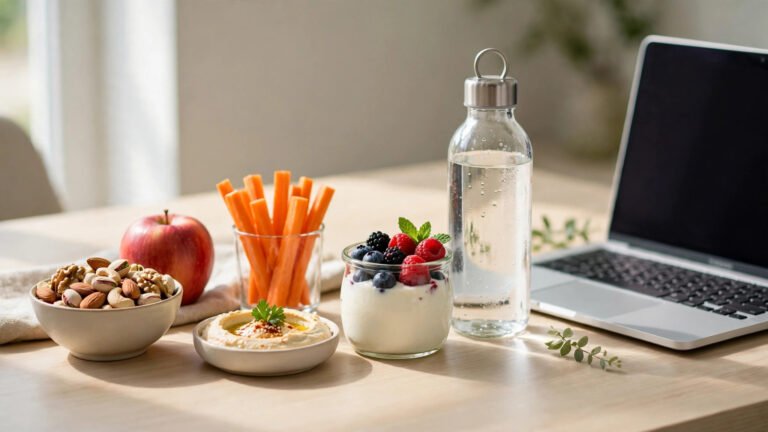
Learning how to make tea comes down to a few simple habits: fresh water, the right temperature, the right amount of tea, and a timed brew. Black tea likes boiling water and three to five minutes; green tea prefers cooler water and a shorter steep; herbal tea needs a longer brew. Once you have the basics, experiment with different types of tea and find the ones you love. For more tea facts and brewing tips, see the UK Tea & Infusions Association. A good cup also goes well with healthy snacks for work.
FAQ
How long should I brew tea?
When you are learning how to make tea, black tea needs 3–5 minutes, green tea 2–3 minutes, and herbal tea 5–7 minutes. Longer brewing makes a stronger cup, but too long can turn it bitter, so use a timer.
Why does my tea taste bitter?
When you are learning how to make tea, the most common causes are water that is too hot, especially for green tea, and brewing for too long. Try cooler water, a shorter steep, and remove the tea bag or leaves when the time is up.
Can I reuse tea leaves?
Yes, especially with loose-leaf oolong and green tea, which can often be steeped two or three times. Tea bags are best used once.
Is loose-leaf tea better than tea bags?
Loose-leaf tea usually gives a fuller flavour because the leaves have more room to expand and release their oils. Good-quality tea bags can still make a very enjoyable cup, and they are much more convenient.