What Is Streetwear Fashion? Origins, Style and Key Pieces
Streetwear is one of the most influential styles in modern fashion. You see it everywhere: on the street, on social media, in high-end stores and on runways. Oversized hoodies, graphic T-shirts, sneakers, caps and baggy jeans — the look is casual, comfortable and instantly recognisable. But streetwear is more than a collection of clothes: a culture with roots in music, skateboarding, sport and city life, which has changed the fashion industry in ways few styles ever have.
This guide explains what streetwear fashion is, where it came from, what defines it, and the key pieces that make up the look.
What Is Streetwear Fashion?
What is streetwear fashion? It is a casual style of clothing that grew out of urban youth culture. At its heart are comfortable, everyday pieces — T-shirts, hoodies, jeans, sneakers and caps — worn in relaxed fits and often decorated with bold graphics, logos and slogans.
What sets streetwear apart from ordinary casual clothing is the attitude behind it. It is fashion from the street rather than the runway: created by skaters, musicians, artists and young people in cities, and shaped by the communities that wear it. It values authenticity, creativity and self-expression over formal rules.
Streetwear is also closely tied to exclusivity: many brands release products in limited quantities, announced in advance and sold out quickly. This “drop” model — a small, limited release rather than a large permanent collection — is now a defining feature of the style.
Where Streetwear Came From
Streetwear did not appear overnight: it grew from several scenes that came together in the 1980s and 1990s.
Surf culture. In the late 1970s and early 1980s, surfers in California began printing their own T-shirts and board shorts with bold graphics and hand-drawn logos. These small brands sold directly to their communities and set the template for streetwear: casual clothes with a strong graphic identity.
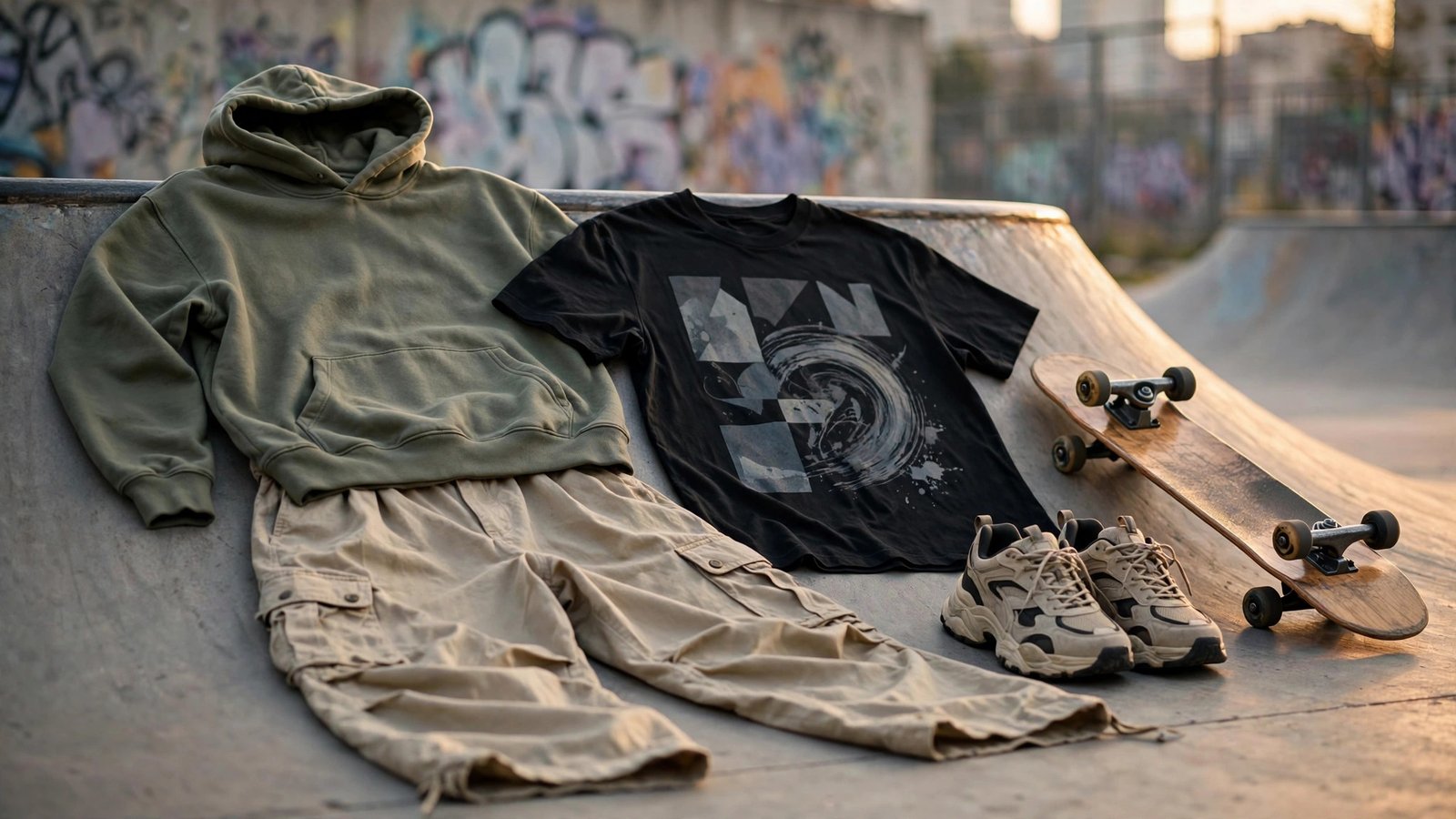
Skate culture. Skateboarders adopted a similar style — loose T-shirts, baggy jeans and flat-soled shoes, practical for skating and durable enough to survive falls. Skate brands grew into some of the earliest streetwear labels, and the skate look remains central today.
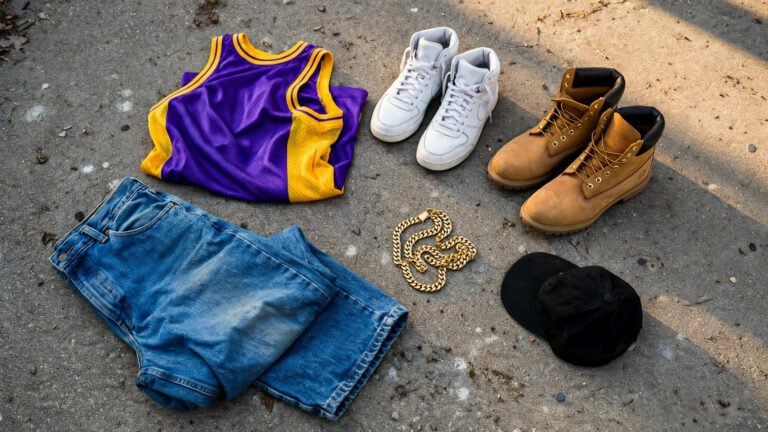
As hip hop grew through the 1980s and 1990s, its fashion — oversized fits, sports jerseys, heavy boots, sneakers, gold chains and bold logos — became a major influence on streetwear, and the two styles have been closely linked ever since. That link is still part of what is streetwear fashion today. Wikipedia traces streetwear’s roots through surf culture, skateboarding and hip hop.
Sportswear. Athletic clothing was always part of the mix: tracksuits, sneakers and caps were affordable, comfortable and available everywhere, and sportswear logos became fashion statements in their own right.
Japan and the global spread. In the 1990s, streetwear took on a new life in Japan, where designers developed their own distinctive version of the style, mixing American influences with Japanese design. From there it spread worldwide.
What Defines Streetwear?
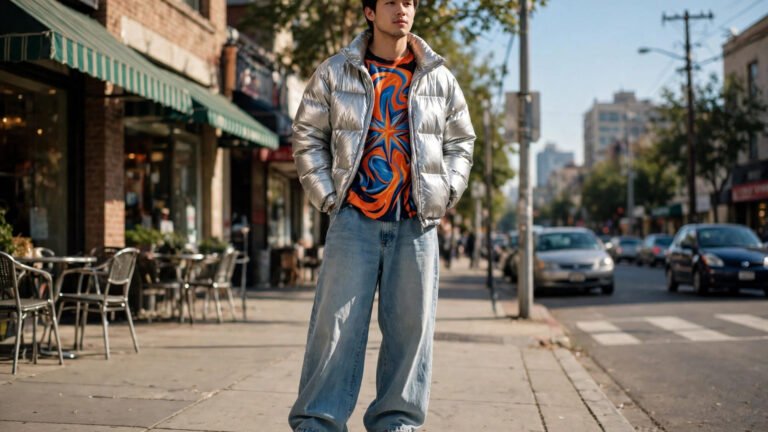
Comfort and casual fits. Streetwear is built around relaxed, comfortable clothing: oversized hoodies, loose T-shirts and baggy trousers are the norm, designed for everyday life rather than formal occasions.
Graphics and logos. Bold graphics, slogans and large logos are central to the style. A graphic T-shirt or hoodie with a strong design is often the centrepiece of an outfit — the artwork matters as much as the clothing.
Sneakers. No item is more important in streetwear than sneakers: limited-edition releases, collaborations and rare colourways are collected and traded like art, and a good pair can anchor an entire outfit.
Limited releases. Many streetwear brands release products in small, timed “drops” rather than keeping them permanently in stock — creating excitement and demand, with popular items often selling out in minutes.
Mixing high and low. One of streetwear’s most important contributions is the idea that expensive and affordable clothes can be worn together: a designer jacket with a plain T-shirt, or luxury trainers with thrifted jeans, is completely normal in streetwear — and the fashion industry has adopted the mix.
The Key Pieces of Streetwear
Graphic T-shirts. The foundation of streetwear: a bold graphic, a striking logo or an interesting slogan turns a simple T-shirt into a statement piece, and oversized fits are the most popular.
Hoodies. The single most iconic streetwear item: oversized, heavyweight and comfortable, it works on its own or layered under a jacket. Plain colours and bold graphics both work.
Sneakers. The heart of the style: classic trainers, high-tops and chunky retro designs are all part of streetwear, and limited editions are highly prized. Clean sneakers matter more than the brand name.
Baggy jeans and cargo trousers. Loose-fitting denim and cargo trousers with large pockets are streetwear staples — comfortable, practical, and a good match for oversized tops.
Caps and beanies. Baseball caps, beanies and bucket hats finish the look, often carrying the same logos and graphics as the rest of the outfit.
Jackets. Bomber jackets, denim jackets, windbreakers and puffer jackets are all common in streetwear, and a good jacket can be the most expensive item in an outfit — and the one that pulls it together.
Accessories. Cross-body bags, chunky jewellery, high socks and bold watches all feature in streetwear, usually simple but deliberate — one or two pieces that complete the outfit rather than overwhelm it.
How to Build a Streetwear Wardrobe
You do not need rare or expensive items to build your own version of what is streetwear fashion. Start with the basics: a few good-quality graphic T-shirts, an oversized hoodie, well-fitting baggy jeans and clean sneakers. Add a cap and a jacket, and you have a complete outfit.
Fit matters more than labels: relaxed, confident fits — oversized but not shapeless, loose but not sloppy. Buy pieces you like that fit well, and do not worry about famous brands. Thrift stores and resale apps are great places to find good streetwear at low prices.
Conclusion
What is streetwear fashion, in the end? It is casual clothing with a culture behind it: T-shirts, hoodies, sneakers and caps, shaped by surf, skate, hip hop and sport, and worn with an attitude of creativity and self-expression. It grew from city streets and small independent brands into one of the most powerful forces in modern fashion.
You do not need a rare limited edition to take part: a good hoodie, clean sneakers and a confident fit are enough. Streetwear was never about the price tag — it was about wearing what you love, your way.
FAQ
What is streetwear fashion in simple terms?
What is streetwear fashion? It is a casual style — hoodies, graphic T-shirts, sneakers, baggy jeans and caps — that grew out of urban youth culture, including surf, skate and hip hop scenes. It values comfort, bold graphics and self-expression.
What is the difference between streetwear and casual fashion?
Casual fashion is any relaxed, everyday clothing. Streetwear is a specific culture within it, defined by its roots in music, skate and city life, its bold graphics and logos, its sneaker culture and its limited-release “drop” model.
Why are streetwear items so expensive sometimes?
Many streetwear brands release products in small, limited quantities, which creates high demand. Rare items can sell for much more than their original price on resale markets, as collectors and fans pay for exclusivity.
Is streetwear still popular?
Yes. Streetwear remains one of the most influential styles in fashion: its ideas — oversized fits, sneakers, graphic designs and the drop model — have been adopted by luxury brands and high-street stores alike.