90s Hip Hop Fashion: The Iconic Look and How to Wear It Today
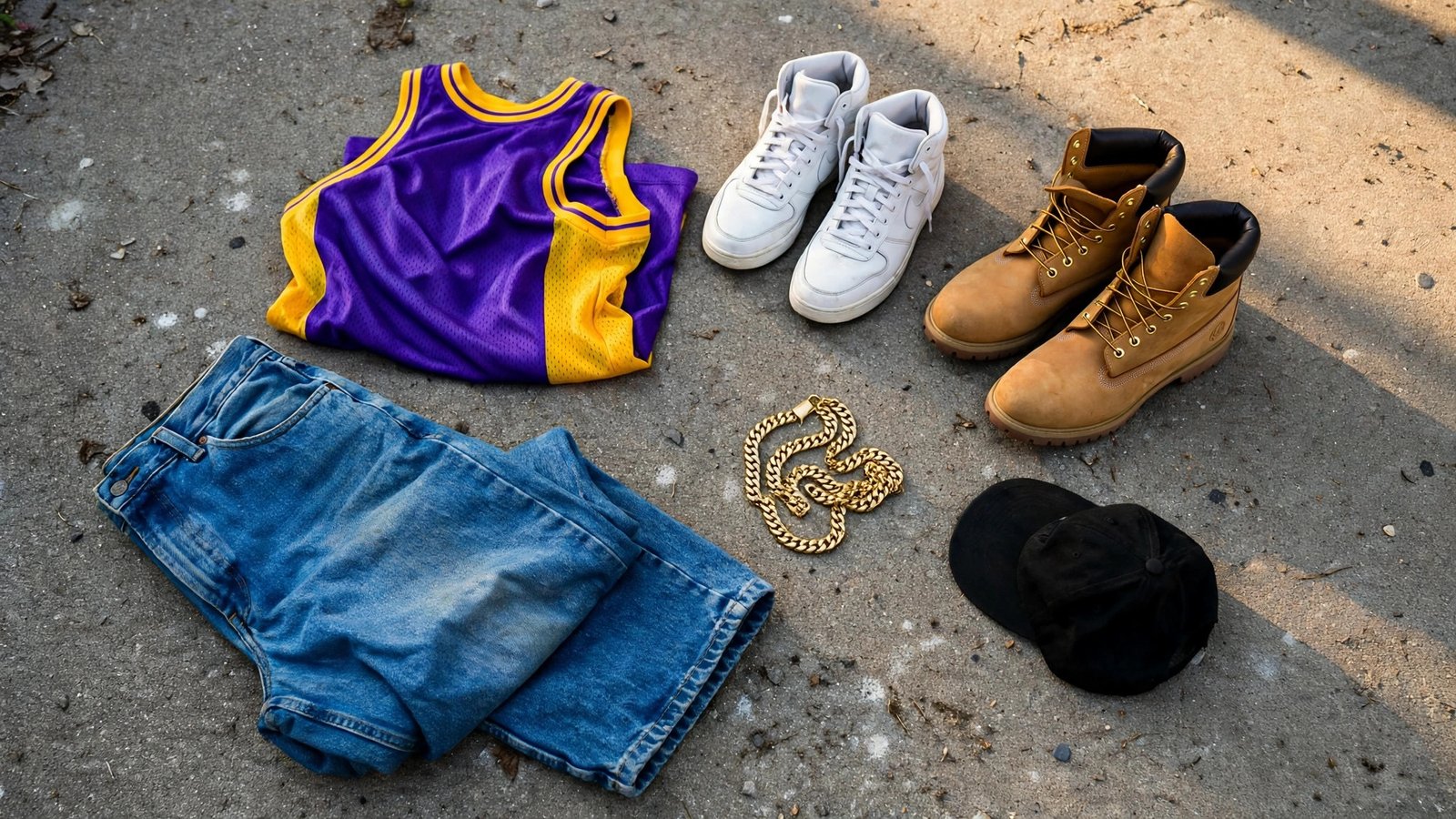
Few styles are as instantly recognisable as 90s hip hop fashion. Baggy jeans, oversized jerseys, chunky gold chains, timber boots and crisp sneakers — the look defined a decade, crossed from the streets of New York and Los Angeles into mainstream culture, and still shapes what people wear today. It was bold, confident and unapologetic, and it turned everyday clothing into a statement about identity and pride.
Where 90s Hip Hop Fashion Came From
Hip hop began in the Bronx in the 1970s, and its fashion grew out of the neighbourhoods that created the music. Early hip hop style was practical: tracksuits, sneakers and caps were affordable, comfortable and made for movement — for dancing, for performing, for life on the street.
By the 1990s, hip hop had become one of the biggest forces in popular music, and its fashion grew with it. Artists on album covers and in music videos became style icons, and what they wore was copied by fans around the world. The look also reflected real life: workwear, sportswear and military-inspired pieces were cheap, durable and available, and they were remixed into something new. Two coasts shaped the style in different ways: the East Coast leaned towards rugged workwear — heavy boots, denim and leather — while the West Coast favoured plaid shirts, khakis and bandanas. Both shared the same core attitude: loose fits, bold branding and confidence. The wider history of hip hop fashion is covered in the hip hop fashion article on Wikipedia.
The Key Pieces of 90s Hip Hop Fashion
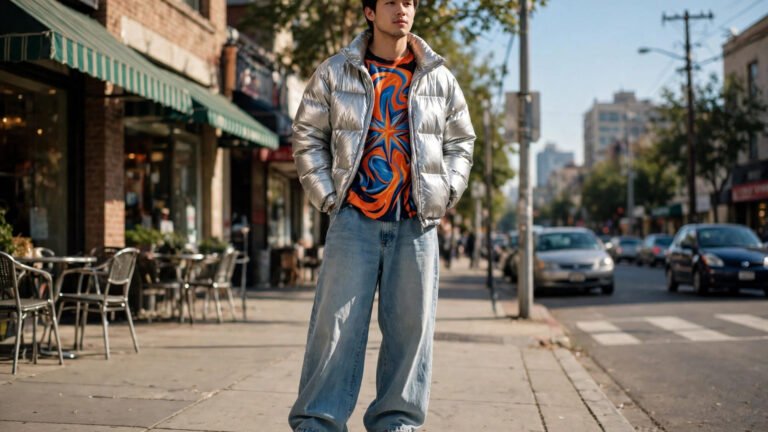
Oversized everything. The defining silhouette of the decade was baggy. Jeans were worn loose and low, often several sizes too big, and T-shirts, hoodies and jerseys were oversized too. The look was relaxed and comfortable, and it stood in deliberate contrast to the slim, tailored styles of earlier decades.
Sports jerseys and tracksuits. Basketball and American football jerseys — especially in bold team colours — were a staple, worn oversized over a plain T-shirt. Matching tracksuits, particularly in velour or nylon, were equally popular, worn with sneakers for a complete head-to-toe look.
Denim. Denim was everywhere: baggy jeans, denim jackets, denim overalls and full denim outfits. The jeans were usually loose-fitting, often in a faded or stonewashed finish, and worn with the waistband low.
Timber boots and sneakers. Heavy work boots in a tan colour became one of the most iconic items of the decade, worn with jeans or with shorts and long socks. Sneakers were equally important — high-top basketball shoes and classic trainers in clean white or bold colourways — kept spotless and often matched to the outfit.
Gold chains and jewellery. Chunky gold chains, rings and watches were a signature of the era, a symbol of success and self-expression — the bolder, the better. Large hoop earrings were also a defining accessory for women in hip hop fashion.
Caps, bandanas and durags. Baseball caps worn backwards or sideways, bandanas tied around the head, and durags were all part of the look. Headwear was not an afterthought — it finished the outfit.
Logos and branding. Big, visible logos were everywhere: across the chest of a sweatshirt, down the leg of a tracksuit, or on the front of a cap. Designer labels and sportswear brands were worn loudly, as a sign of taste and status.
Women’s 90s Hip Hop Fashion
Women in hip hop created their own distinctive version of the style. Baggy jeans and crop tops were a classic combination, as were oversized jackets worn with fitted bottoms. Hoop earrings, bold lipstick and braids completed the look, and the mix of masculine streetwear with feminine touches became one of the most copied looks of the decade.
Why the Style Still Matters
90s hip hop fashion did more than set trends — it changed how the fashion industry worked. It proved that style could come from the street, not just from runways, and it forced luxury brands to pay attention to sportswear and casual clothing. Many of the most popular styles today — oversized fits, chunky sneakers, logo-heavy streetwear — trace directly back to the 90s. Designers regularly revive 90s silhouettes, sneaker culture owes much of its energy to hip hop, and mixing high fashion with streetwear is now completely normal. What started in the Bronx and Compton now shapes runways in Paris and Milan.
How to Wear 90s Hip Hop Fashion Today
You can bring the 90s into a modern wardrobe without looking like a throwback act: take one or two elements and balance them with contemporary pieces.
Start with the fit. Try a relaxed or oversized fit in one piece — baggy jeans or an oversized T-shirt — and keep the rest of the outfit closer to your usual fit. A full head-to-toe oversized outfit can look dated; one statement piece looks intentional.
Choose one hero piece. Pick one unmistakably 90s item — a pair of heavy work boots, a vintage-style basketball jersey, or a chunky chain — and build the outfit around it. Let it be the focus and keep everything else simple.
Keep the sneakers clean. The 90s sneaker rule still applies: clean, well-kept shoes anchor the whole look. A pair of classic high-tops or retro trainers in white or a bold colour works with almost any casual outfit.
Mix, don’t copy. Pair a 90s piece with something modern — baggy jeans with a fitted top, or an oversized jersey with slim trousers and clean trainers. The contrast is what makes the outfit feel current rather than copied from an old music video.
Accessorise lightly. A gold chain, a cap or a bandana can finish the look, but too many accessories at once can feel like a costume. Choose one or two and leave the rest out.
Conclusion
90s hip hop fashion was more than a trend — it was a cultural statement. Oversized fits, sports jerseys, heavy boots, gold chains and bold logos turned everyday streetwear into a symbol of identity, pride and confidence. The style grew from the neighbourhoods where hip hop was born and ended up shaping fashion around the world.
Today, the look is easy to wear: take one or two key pieces, balance them with modern fits, keep the sneakers clean, and wear it with the same confidence the originals did. The decade may be over, but the style never really left.
FAQ
What defines 90s hip hop fashion?
The defining features are oversized, baggy fits; sports jerseys and tracksuits; denim; heavy work boots and clean sneakers; gold chains and bold jewellery; caps, bandanas and durags; and large, visible brand logos.
What shoes were popular in 90s hip hop fashion?
Heavy tan work boots and high-top basketball sneakers were the most iconic choices, along with classic trainers, usually kept spotless and matched to the rest of the outfit.
Can you wear 90s hip hop fashion today?
Yes. The key is balance: take one or two 90s elements, such as baggy jeans or an oversized jersey, and pair them with modern, well-fitting pieces so the outfit feels current.
What is the difference between 90s hip hop fashion and streetwear?
90s hip hop fashion is one of the roots of modern streetwear. Streetwear today draws heavily on the 90s hip hop look — oversized fits, sneakers, logos and sportswear — but also mixes in skate culture, high fashion and other influences. For the modern form of this style, see what streetwear fashion is.