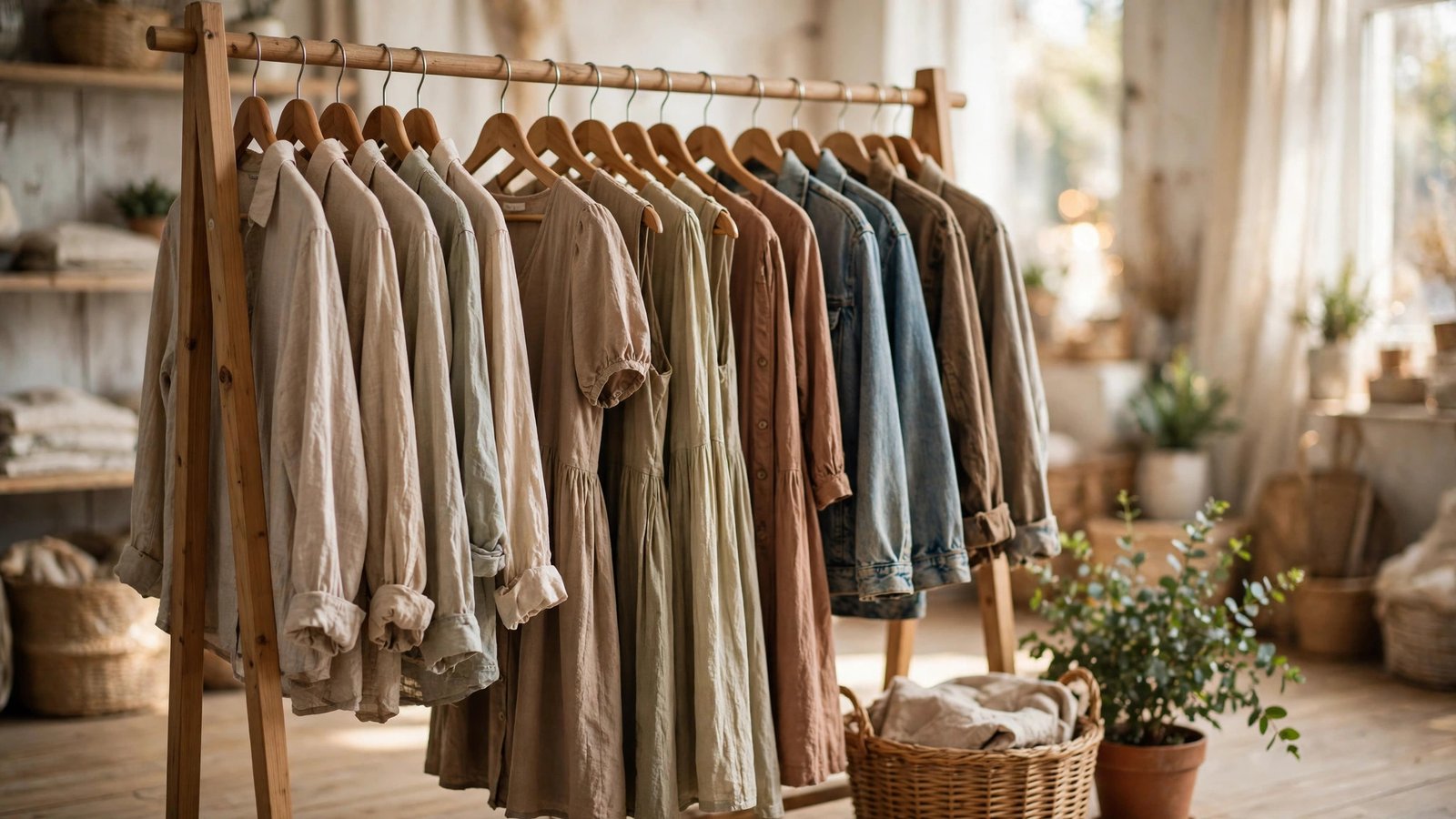
What Is Sustainable Fashion? Meaning, Benefits and How to Shop Better
What is sustainable fashion? It is one of the most talked-about ideas in clothing today, but also one of the most misunderstood. You will see the word on labels, in advertisements and all over social media — yet two brands can use it to mean very different things. At its core, it is an approach to making, buying and wearing clothes that reduces harm to the environment and treats the people who make the clothes fairly.
It is a way of thinking about the whole life of a garment: where its materials come from, how it is made, how long it lasts, and what happens to it afterwards. This guide explains what is sustainable fashion, why it matters, and how you can shop more sustainably without spending a fortune.
What Sustainable Fashion Means
In short, what is sustainable fashion? It is clothing made and worn in a way that aims to meet today’s clothing needs without damaging the ability of future generations to meet theirs. In practice, that means three things: the planet, the people, and the product itself.
For the planet, it means using fewer resources, choosing lower-impact materials, reducing water and chemical pollution, and cutting the waste from clothes thrown away after only a few wears. For people, it means fair wages, safe conditions and reasonable hours for garment workers, farmers and everyone along the supply chain. For the product, it means clothes that are well made and durable, designed to be worn for a long time rather than replaced every few weeks.
No garment is perfectly sustainable — every piece uses resources to make. The point is not perfection; it is doing measurably better than the throwaway alternative, and being honest about it.
How It Differs From Fast Fashion
Fast fashion is built on speed and volume: new styles every week, low prices, and clothes designed to be worn a few times and discarded. Sustainable fashion is the opposite idea, often described as part of the “slow fashion” movement, which values quality over quantity, timeless design over passing trends, and transparency over secrecy. Understanding what is sustainable fashion starts with seeing that contrast. To see the contrast in detail, read our guide on what is fast fashion.
A sustainable approach usually means smaller collections released less often, higher-quality fabrics and stronger construction so garments survive many washes, and brands that publish information about where and how their clothes are made rather than keeping the supply chain hidden.
That does not mean sustainable clothing is always expensive. Some large brands have introduced recycled collections or take-back schemes — but a single recycled line does not make a whole business model sustainable, and shoppers are right to look beyond the marketing.
Why Sustainable Fashion Matters
The clothing industry has a large environmental footprint. Growing cotton takes a lot of water, making synthetic fabrics such as polyester uses fossil fuels, and washing them releases tiny plastic fibres into waterways. Dyeing and finishing can pollute rivers when wastewater is not treated properly. And because so many clothes are discarded quickly, millions of tonnes of textiles end up in landfill every year, where synthetic fabrics can take decades to break down.
The human side matters just as much. Most of the world’s clothing is made by workers in developing countries, many of them women, and labour rights groups have repeatedly raised concerns about low pay, long hours and unsafe factories. When a garment is sold very cheaply, someone along the chain is usually paying the price — often the person who sewed it.
Choosing more sustainable options will not fix the whole industry overnight, but learning what is sustainable fashion helps you shop with intent. Demand shapes supply: when more shoppers ask where their clothes come from, brands have a reason to improve.
Common Sustainable Materials
Knowing a few common materials helps. Organic cotton is grown without synthetic pesticides and fertilisers and usually uses less water than conventional cotton. Linen, made from flax, is strong, breathable and needs relatively little water. Hemp is another hardy fibre that grows with minimal chemicals, and responsibly sourced wool is durable, warm and biodegradable.
Recycled materials are also common: recycled polyester is made from used plastic bottles or old garments, and recycled cotton comes from textile waste. Both keep materials in use longer and reduce the need for new raw materials.
No material is perfect — cotton needs water, synthetics shed microfibres, and recycled fabrics take energy to process. The best choice is usually a durable fabric you will wear often.
How to Shop More Sustainably
You do not need to replace your whole wardrobe to make a difference. Small, consistent changes add up.
Buy less, choose well. Before buying, ask whether you will wear the item at least thirty times. A smaller wardrobe of clothes you love is more satisfying — and cheaper in the long run — than a large one full of things you rarely wear.
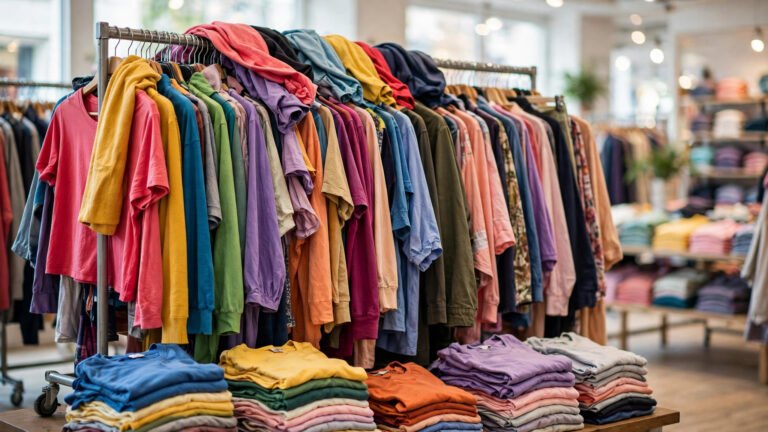
Buy second-hand first. Thrift stores, charity shops, vintage shops and resale apps are full of good-quality clothing at low prices. Second-hand shopping is often the most sustainable option of all, because it keeps existing clothes in use and requires no new production.
Look after what you own. Washing less often, at lower temperatures, and repairing small damage — a loose button, a torn seam — can double a garment’s life.
Check the label and the brand. Look for information about materials, where the garment was made, and whether the brand publishes details about its factories. Certifications for organic textiles or fair labour can help, but transparency matters more than a single badge.
Rent or swap for special occasions. For outfits you will wear once — a wedding guest dress, a formal suit — renting or swapping with friends is often smarter than buying new.
Avoid greenwashing. If a brand’s sustainability claims are vague, with no numbers, no details and no independent verification, treat them with caution. Real commitment usually comes with specifics: targets, timelines and published reports.
Conclusion
What is sustainable fashion, in practice? It means clothing made with respect for the planet and the people who produce it — clothes designed to last, made from better materials, and produced under fair conditions. It matters because the current way of making and discarding clothes wastes resources, pollutes waterways and pressures garment workers. For the circular-economy view, see the Ellen MacArthur Foundation fashion overview.
You do not need to be perfect to take part in what is sustainable fashion. Buy less, choose well, shop second-hand and look after what you own. Those small steps, repeated by millions of shoppers, are what turn a trend into real change.
FAQ
What is sustainable fashion in simple terms?
What is sustainable fashion, in simple terms? It is clothing made to reduce harm to the environment and treat workers fairly — better materials, durable design, fair wages, safe conditions, and clothes worn for a long time rather than thrown away quickly.
Is sustainable fashion the same as ethical fashion?
The two terms overlap closely, and if you are asking what is sustainable fashion, you will often see it used alongside ethical fashion: sustainable fashion usually emphasises the environmental impact, while ethical fashion emphasises fair treatment of workers. In practice, most people use them to mean the same thing — clothing made responsibly for both people and the planet.
Is second-hand shopping sustainable?
Yes — buying second-hand is one of the most sustainable choices you can make, and it is a practical part of what is sustainable fashion in daily life. It keeps existing clothes in use longer, which avoids the resources needed to make new ones. Look for pieces in good condition, and repair them when they need it.
How can I tell if a brand is genuinely sustainable?
Look for specifics: named materials, published factory information, clear targets with timelines, and independent certifications. Be cautious of vague claims such as “eco-friendly” with no evidence behind them — checking the evidence is a basic part of learning what is sustainable fashion.