Car Battery Replacement Cost: What Affects the Price and How to Plan for It
A car battery rarely gives much warning before it fails. One morning the engine turns over slowly, or not at all, and a replacement becomes urgent. Knowing what affects car battery replacement cost before that day arrives can help you budget for it and avoid paying more than you need to.
What a Car Battery Replacement Involves
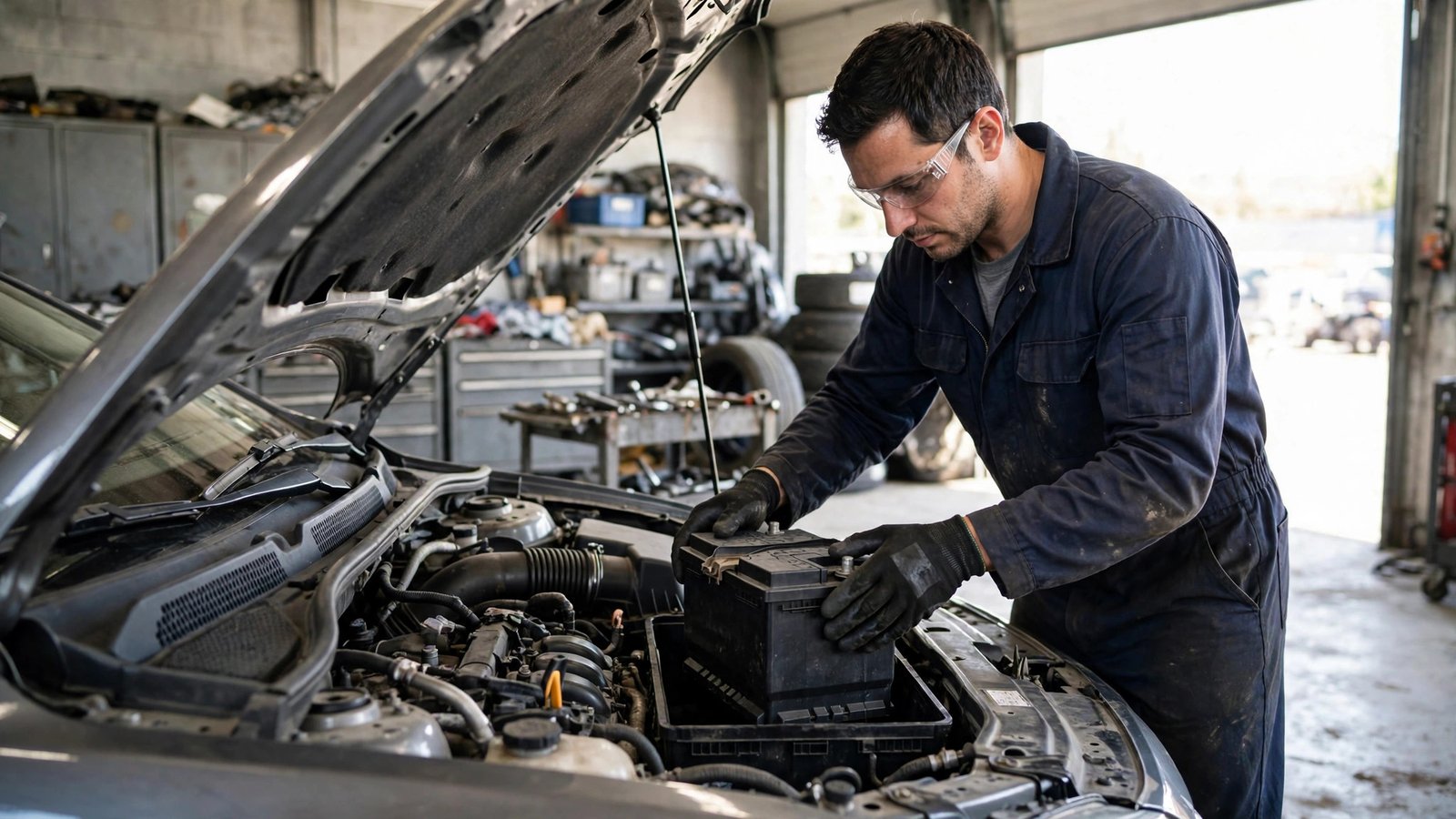
Replacing a car battery is often a quick job. A mechanic removes the old battery, checks the terminals and cables for corrosion, fits a new battery of the correct size and specification, and tests the charging system to make sure the alternator is doing its job.
In some vehicles the job is more involved. The battery may sit in an awkward place, such as under a seat or in the boot, or the car may need its computer systems reset after the battery is disconnected. These extra steps add time to the job, and that time is reflected in the labour charge. The total you pay is usually the price of the battery plus the labour to fit it, and some suppliers add a charge for disposing of the old battery.
Battery Type and Specification
Not all car batteries are the same, and the type your car needs is one of the biggest influences on cost. Standard lead-acid batteries are the most common and generally the least expensive option. They suit many older and simpler vehicles. For background, see how an automotive battery works on Wikipedia.
Cars with stop-start systems, which switch the engine off at traffic lights and restart it automatically, usually need a stronger battery. These are often labelled EFB or AGM, and they tend to cost more because they are built to handle repeated deep discharge cycles.
The battery’s size and power rating also matter. A larger engine, a diesel engine, or a car with many electrical features usually needs a battery with a higher capacity and cold cranking amps rating. A battery that is too weak for the car can fail early, so fitting the correct specification matters more than finding the cheapest option.
Your Vehicle’s Make and Model
The car you drive plays a large part in the price. Some vehicles take a standard, widely available battery that many suppliers stock. Others need a less common size or a battery with a particular terminal layout, which can be harder to source and more expensive.
Luxury and performance cars often have batteries in unusual locations or require specialist fitting, which adds to the labour time. When you ask for a quote, give the garage your car’s make, model, year, and engine size, so they can identify the correct battery and quote accurately.
Where You Buy and Who Fits It
Where you buy the battery can make a noticeable difference. Main dealers tend to charge more for both the battery and the labour, though they will use the manufacturer’s recommended part. Independent garages often charge less, and many can supply a battery from a reputable brand that meets the same specification.
Mobile fitting services, which come to your home or workplace, can be convenient when the car will not start, though a call-out fee may apply. Fitting a battery yourself can be the cheapest route, but only if you are confident doing the job safely. Car batteries are heavy, contain acid, and can give off gas, and incorrect fitting can damage the car’s electronics. If you are unsure, paying a professional is usually the safer choice.
Signs Your Battery May Need Replacing
A battery does not always fail without warning. Common signs include the engine cranking slowly when you start the car, especially on cold mornings; headlights or dashboard lights looking dimmer than usual; needing jump starts more often than before; or a swollen or damaged battery case.
How to Compare Car Battery Replacement Cost Quotes
Getting more than one quote is the best way to judge a fair price. Make sure each quote covers the same things: the battery’s brand, type, and specification, not just a price; whether fitting and labour are included; whether the charging system will be tested; whether old battery disposal is included; and how long the warranty lasts and what it covers. The same approach works for other jobs — see our guide to brake pad replacement cost for what affects that price and when to replace them.
A quote that seems much lower than the others may be missing one of these items, or it may be for a battery that does not meet your car’s specification. Comparing like with like is the key to judging car battery replacement cost fairly.
How to Plan and Budget for a Replacement
Because a battery can fail suddenly, it helps to plan for car battery replacement cost before you need one. If your car is several years old and still on its original battery, start setting aside a small amount each month so the cost does not come as a shock.
Get the battery tested. Many garages and auto parts shops will test a battery for free or for a small fee, and a test can tell you how much life is left. Keeping the terminals clean and taking the car for a longer drive now and then can help the battery last longer. Also check your breakdown cover, since some policies include battery replacement or jump-start assistance. Planning ahead gives you time to shop around instead of accepting the first available option at the roadside.
Frequently Asked Questions
How long does a car battery usually last?
A car battery typically lasts several years, but the exact lifespan depends on the climate, how the car is used, and the quality of the battery. Extreme heat and cold, frequent short journeys, and long periods without use can all shorten its life. Regular testing can give you a better idea of how much life your battery has left.
Can I replace a car battery myself?
In many cars it is a straightforward job for someone with basic tools and confidence. However, batteries are heavy and contain acid, and incorrect fitting can damage the car’s electronics. In some modern cars the battery also needs to be registered with the vehicle’s computer system. If you are unsure, it is safer to have a professional do the job.
Does a new battery need to be the same brand as the old one?
No. What matters is that the new battery matches your car’s specification for size, terminal layout, capacity, and type. A different brand that meets the same specification should work just as well. Your car’s handbook or a parts supplier can confirm the correct specification.
Conclusion
The cost of replacing a car battery depends on the type and specification of battery your car needs, the make and model of the vehicle, where you buy it, and who fits it. There is no single price that applies to every car, so comparing itemised quotes is the best way to judge what is fair.
Planning ahead makes the biggest difference. Getting your battery tested, setting money aside, and knowing your options before the car refuses to start can turn an urgent, stressful expense into a manageable one.